Tips to Speed Up Nerve Healing After Prostate Op
Simple Strategies to Support Faster Recovery and Restore Nerve Function After Surgery

What if the most critical phase of your healing journey begins not in the operating room, but in the choices you make every day after?
For many men, a radical prostatectomy is a pivotal step toward health. This common procedure requires careful post-operative management for optimal healing. The path forward focuses on restoring your well-being.
Understanding the biological process of nerve repair is essential. It empowers you to support your body during this critical time. Specific, evidence-based strategies can have a significant impact on your long-term outcomes.
This guide is designed to provide actionable advice. Our expert-backed tips help you take an active role in improving your quality of life. The goal is a stronger, more complete recovery.
Key Takeaways
- Active post-operative management is crucial for optimal healing after a prostatectomy.
- Nerve repair is a biological process that can be positively influenced.
- Evidence-based lifestyle adjustments significantly impact long-term recovery outcomes.
- Patients can take a proactive role in their own healing journey.
- Focusing on overall health supports the restoration of normal function.
- A structured approach to recovery improves quality of life.
Understanding Nerve Healing After Prostate Surgery
The journey to regain normal function after a prostate procedure often hinges on the body’s remarkable ability to repair delicate neural pathways. This process is central to a patient’s overall rehabilitation experience.
Surgeons work meticulously during a radical prostatectomy. Their goal is to preserve critical structures while removing the target tissue.
Nerve Damage and Its Impact on Function
Even with expert nerve preservation, trauma can occur. The cavernous nerves are especially vulnerable.
They lack a protective myelin sheath. This makes them prone to injury during prostate surgery.
Such an injury frequently leads to temporary erectile dysfunction. This temporary condition is a common part of the recovery timeline.
Research offers encouraging news. Roughly 80% of men report climax satisfaction remains high after their procedure.
The Importance of Nerve Preservation
Surgeons prioritize this technique for a vital reason. It directly supports long-term urinary control and sexual health.
Successful preservation gives the body a strong foundation for healing. Patients benefit from better functional outcomes.
Male sexual function involves three key nerve sets. Understanding their roles clarifies the healing focus.
| Nerve Set | Primary Function | Susceptibility to Injury |
|---|---|---|
| Penile Sensation Nerves | Transmit tactile feelings | Moderate |
| Erection Control Nerves | Signal blood flow for rigidity | High (cavernous nerves) |
| Climax Control Nerves | Orchestrate orgasm | Moderate to Low |
This table highlights why surgeons focus on the cavernous nerves. Protecting them is a primary surgical objective.
A proactive approach to rehabilitation starts with this knowledge. It empowers individuals in their healing journey.
The Science Behind Nerve Regeneration
At the heart of restoring intimate health lies a fascinating biological process that unfolds over months and years. This cellular repair work is key to regaining normal sexual function.
Role of Autonomic and Cavernous Nerves in Erectile Function
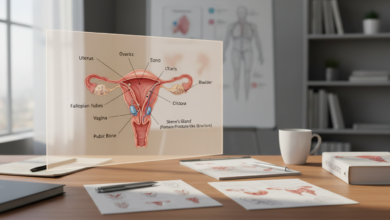
The cavernous nerves are tiny branches of the pelvic nerve. They have a critical job: releasing nitric oxide to dilate blood vessels in the penis.
This chemical signal is essential for achieving a firm erection. The autonomic nerve system controls these involuntary actions.
Healing from a radical prostatectomy is slow. Most men notice a return of erectile function after about 12 months.
Patience is vital. Full neural repair can take up to three years to reach its peak.
“The body’s capacity for nerve regeneration is real, but it operates on its own timeline.”
When these delicate nerves are injured, erectile dysfunction often results. Overcoming this challenge requires a comprehensive treatment plan.
Focusing on overall wellness supports this gradual recovery process. A multi-faceted approach yields the best long-term outcomes.
Key Factors That Affect Nerve Recovery
Recovery timelines and outcomes vary widely among men, largely due to specific pre-existing conditions and surgical details. Several elements work together to shape your rehabilitation journey.
Understanding these variables helps set realistic expectations. It also highlights areas where you and your medical team can focus efforts.
Age, Health, and Surgical Trauma
Age is a significant factor. Younger patients often experience a quicker return of erectile function.
A 2011 study on nerve preservation offers strong evidence. It showed 91.8% of men aged 50-59 had positive outcomes when two nerves were preserved.
Surgical trauma during a radical prostatectomy also plays a major role. The skill and technique used for nerve sparing directly influence long-term results.
This table breaks down the key influences:
| Factor | Influence on Recovery | Patient Control Level |
|---|---|---|
| Age | Youth often supports faster neural repair. | None |
| Pre-Surgery Health | Diabetes or high blood pressure can slow tissue healing. | Moderate (through management) |
| Extent of Surgical Trauma | More damage requires a longer repair process. | Low (surgeon-dependent) |
| Nerve Preservation Success | Better preservation improves functional outcomes. | Low (surgeon-dependent) |
| Rehabilitation Commitment | Active therapy supports blood flow and function. | High |
The Impact of Pre-Surgery Health and Nerve Damage Extent
Your overall health before the procedure is crucial. Conditions like diabetes can impair the body’s natural healing abilities.
This can negatively affect nerve regeneration and blood flow. Managing these conditions is a vital part of pre-operative planning.
The extent of initial injury is another critical factor. It is often determined by how close the prostate cancer is to the neurovascular bundles.
Surgeons carefully review biopsy reports and MRI scans. This evaluation guides their strategy for nerve preservation during the operation.
“Optimal recovery hinges on a combination of surgical precision and the patient’s foundational health.”
Recognizing these factors empowers you. You can have more informed discussions with your care team about your treatment options.
How to Speed Up Nerve Regeneration after Prostate Surgery
Active participation in your rehabilitation can significantly influence the pace of functional restoration. Specific, doctor-approved strategies are designed to support your body’s innate healing capacity.
These methods focus on encouraging robust circulation and neural activity. Consistency is the cornerstone of seeing positive results over time.
Stimulation Techniques and Regular Activity
Medical experts often advise engaging in gentle stimulation several times weekly. This practice promotes healthy circulation to the pelvic region, which is vital for tissue repair.
Regular physical therapy, including targeted pelvic floor exercises, strengthens crucial muscles. Stronger muscles improve both urinary control and sexual health following a prostatectomy.
Using a vacuum erection device is a well-established treatment option. It works by drawing blood into the penis, supporting vascular health and function.
Adhering closely to your post-operative care plan prevents complications. It sets the stage for smoother, more efficient tissue healing.
| Therapy Method | Primary Benefit | Recommended Frequency | Patient Control Level |
|---|---|---|---|
| Pelvic Floor Exercises | Strengthens support muscles | Daily | High |
| Vacuum Erection Device | Enhances penile blood flow | As prescribed (often 2-3x/week) | High |
| PDE5 Inhibitor Medication | Supports erection quality | As directed by physician | Moderate |
| General Aerobic Activity | Boosts overall circulation | Most days of the week | High |
This consistent, multi-faceted approach helps mitigate the long-term impact of neural injury. It empowers individuals to play an active role in their own recovery journey.
Optimizing Blood Flow and Hydration for Recovery
Optimal healing after a radical prostatectomy relies on two fundamental elements: robust blood circulation and adequate hydration. These factors work together to support tissue repair and overall wellness.
Benefits of Staying Hydrated
Staying hydrated is crucial for your recovery. Drinking at least eight glasses of water daily maintains urinary tract health.
It also helps flush toxins and supports efficient blood flow. Proper fluid intake aids the body’s natural healing processes.
Choosing the Right Fluids for Urinary Health
Your beverage choices matter. Avoid alcohol for the first month after your procedure.
Alcohol can irritate the bladder and worsen urinary incontinence. Caffeine-free green tea is an excellent alternative.
It is rich in antioxidants that support prostate health and reduce inflammation. Steer clear of acidic or carbonated drinks.
These can increase bladder irritation during early recovery stages.
| Fluid Type | Benefit / Risk | Recommendation |
|---|---|---|
| Water | Supports hydration & urinary health | Drink 8+ glasses daily |
| Caffeine-free Green Tea | Antioxidants reduce inflammation | Enjoy 1-2 cups daily |
| Alcohol | Irritates bladder, risks incontinence | Avoid for 30 days post-op |
| Acidic/Carbonated Drinks | Can cause bladder discomfort | Limit or avoid early on |
Proper fluid management ensures your urinary system functions correctly. It allows your body to focus on repairing damaged tissue.
Lifestyle and Rehabilitation Strategies
Integrating daily lifestyle habits forms the cornerstone of a successful rehabilitation plan following prostate surgery. These choices directly support your body’s natural repair mechanisms.
Consistent effort in key areas makes a significant difference. A proactive approach enhances both physical and emotional well-being during this period.
Physical Therapy and Exercise Routines
Pelvic floor physical therapy is highly recommended for patients. It helps regain control over urinary and sexual function after the procedure.
Regular exercise improves overall circulation. This promotes neural repair and general physical health following a prostatectomy.
Aerobic activities like walking are excellent starting points. Always follow your doctor’s guidance on intensity and timing.
Dietary Guidance for Faster Healing
Nutrition plays a vital role in tissue healing. A balanced diet rich in fruits, vegetables, and lean proteins provides essential nutrients.
A UCLA study found that pomegranate juice can help stabilize PSA levels. This makes it a beneficial choice for prostate cancer recovery.
Avoid smoking completely. It can delay healing and impair the body’s ability to regenerate nerve tissue.

Combining these elements creates a powerful support system for your body. Here is a practical overview of key strategies:
| Lifestyle Strategy | Primary Benefit | Recommended Action Step |
|---|---|---|
| Pelvic Floor Therapy | Strengthens muscles for urinary & sexual control | Attend scheduled sessions with a specialist |
| Regular Aerobic Exercise | Boosts blood flow to support healing | Walk 30 minutes most days |
| Anti-Inflammatory Diet | Reduces swelling & provides repair nutrients | Include berries, leafy greens, and fish |
| Smoking Cessation | Prevents vascular damage that slows recovery | Seek support programs if needed |
| Adequate Hydration | Maintains urinary tract health & cellular function | Drink water throughout the day |
This structured approach empowers you in your recovery journey. Small, consistent actions build toward restoring normal function and overall health.
Medications and Medical Interventions
Pharmaceutical interventions play a key role in many rehabilitation plans following prostate surgery. These treatments provide direct support for the body’s natural healing process.
Working with your doctor to find the right approach is essential. A tailored medical strategy can significantly improve long-term outcomes.
PDE5 Inhibitors: How They Work
Doctors often prescribe PDE5 inhibitors like sildenafil (Viagra), tadalafil (Cialis), and vardenafil (Levitra). These medications are designed to increase blood flow to the penis.
They do not cause an erection on their own. Instead, they make it much easier to achieve one when combined with physical or mental stimulation.
Regular use of these drugs is supported by clinical evidence. Studies show they can help speed up the recovery of potency after a radical prostatectomy.
Managing Side Effects and Treatment Options
Patients should be aware of potential side effects when starting this therapy. Common issues include headaches, facial flushing, and indigestion.
These reactions are usually mild and temporary. They often decrease as your body adjusts to the medication.
It is vital to discuss all treatment options with your medical team. This ensures the chosen intervention aligns with your specific recovery goals and overall health.
Your doctor can help you weigh the benefits against any possible side effects. Together, you can create a plan that supports both erectile function and your quality of life.
Additional Tips and Patient Experiences
Connecting with a community of survivors can transform the post-prostatectomy experience from isolating to empowering. Many individuals find that hearing real-life stories provides both practical advice and emotional comfort.
These shared journeys highlight common challenges and victories. They offer a roadmap for navigating your own path to restored wellness.
Real-Life Success Stories and Insights
Many men report that peer support groups were invaluable. Sharing tips on managing daily life after a radical prostatectomy builds confidence.
One patient noted, “It took over a year, but gradual improvement in erectile function gave me hope.” This patience is a common theme in success stories.
Adhering to a structured therapy plan often leads to better outcomes. Consistent pelvic floor exercises and follow-up appointments are key factors.
Maintaining a positive outlook helps overcome frustration. Celebrating small milestones in your healing process keeps motivation high.
Open discussions about side effects prepare new patients. Knowing what to expect from treatments reduces anxiety and supports overall health.
While nerve preservation during surgery is crucial, your active role in rehabilitation matters greatly. Combining medical care with personal commitment optimizes your recovery.
Conclusion
Your path to restored wellness after a prostate procedure is built on a foundation of knowledge and proactive care. This journey requires patience and consistent effort, guided by your medical team’s advice.
Focusing on nerve preservation, proper hydration, and regular physical therapy significantly improves your chances of restoring normal function. These actions support your body’s natural healing process.
Understanding the science behind tissue repair helps demystify recovery. It encourages commitment to your treatment plan. While challenges like erectile dysfunction may occur, modern interventions and lifestyle adjustments offer effective management.
Ultimately, taking an active role in your overall health and working closely with your surgical team are the most effective ways to ensure a successful recovery.