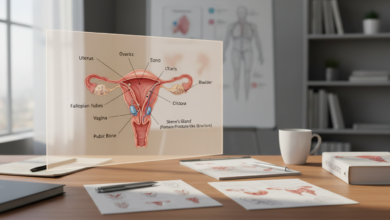
Does an Enlarged Prostate Affect a Man’s Sex Life?
How Does an Enlarged Prostate Impact a Man’s Sexual Life?

Could one simple change in the body be the hidden reason behind shifting physical relationships? Many guys notice changes as they age, but they often ignore the significant underlying concern: this gland. Research shows that bph impacts half of all men between 51 and 60.
This percentage climbs significantly as men reach their late 70s. While most people talk about frequent bathroom trips, many wonder: does an enlarged prostate affect a man sexually? It is vital concern that often stays behind closed doors during doctor visits.
Having this bph issue is the common part of aging life for many. This article explores how this condition impacts your sex life and overall well-being. We will look at treatments, medications, and ways to maintain vitality and sex despite growing tissue.
Key Takeaways
- Benign prostatic hyperplasia affects most men as they grow older.
- While urinary issues are primary symptoms, sexual function is often involved.
- Medications used for treatment can sometimes impact intimate performance.
- Mental health and stress play significant roles in managing these changes.
- Openly discussing concerns with doctors leads to better outcomes.
- Maintaining healthy habits supports both gland health and sexual wellness.
Understanding Benign Prostatic Hyperplasia (BPH)
As the years pass, the walnut-sized organ known as the prostate gland often begins to grow, creating a medical condition called bph. This shift is a natural part of life for most men, but it can lead to frustrating physical changes.
What Is an Enlarged Prostate?
Benign prostatic hyperplasia occurs when the prostate gland starts to expand in size. This benign prostatic growth is not cancerous, but the enlarging gland can eventually squeeze the urethra.
Since the prostate surrounds the tube that carries urine, this hyperplasia puts pressure on the path from the bladder. Experts believe that changing hormones with age trigger this prostatic hyperplasia over time.
https://www.youtube.com/watch?v=HhMK2x8m3oQ
How Common Is BPH in Aging Men?
This condition is incredibly widespread among the aging population in the United States. As men get older, the likelihood of experiencing prostatic hyperplasia increases significantly.
Research highlights that nearly half of the male population will face this growth by their sixth decade. Statistics illustrate how age correlates with the development of benign prostatic issues:
| Age Group | Prevalence Rate |
|---|---|
| 51 to 60 years | 50% |
| 61 to 70 years | 70% |
| 71 to 80 years | 80% |
Primary Urinary Symptoms of BPH
When the prostate grows, the restricted urethra makes it harder for the bladder to empty completely. This hyperplasia of the gland leads to several recognizable symptoms that affect daily comfort.
Common benign prostatic issues include:
- Increased frequency of urination, especially during the night.
- A weak or hesitant stream of urine.
- Sudden, urgent needs to use the bathroom.
- The feeling that you cannot fully empty your system.
Managing these symptoms is vital for maintaining sleep quality and overall confidence. Understanding benign prostatic hyperplasia is the first step toward effective treatment for any prostate gland issue.
Does an Enlarged Prostate Affect a Man Sexually?
While urinary issues are the most common sign of BPH, many men also notice changes in their sexual health. It is a valid concern because the prostate sits near vital nerves and blood vessels. These structures are essential for maintaining intimacy and physical satisfaction.
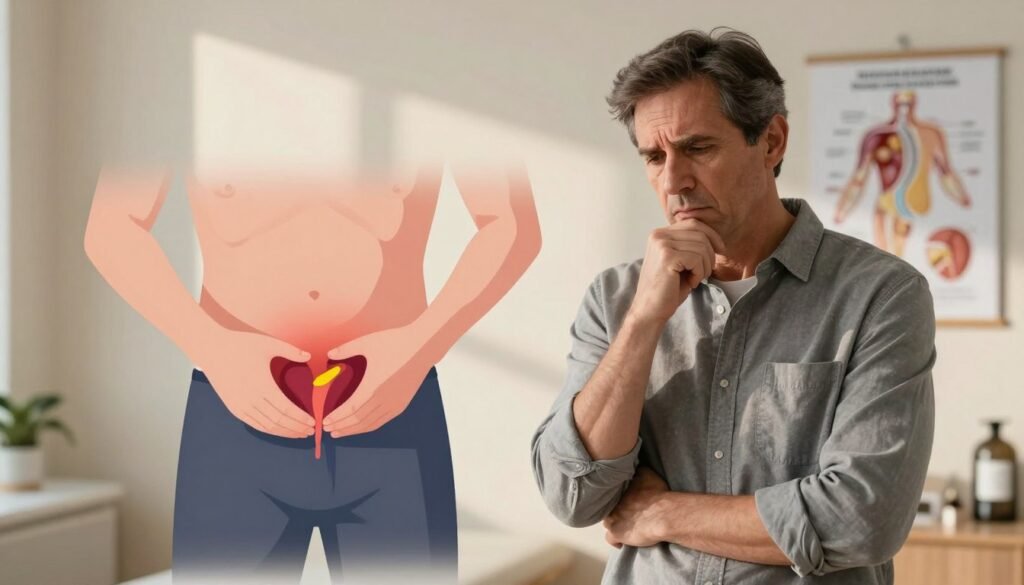
Managing these symptoms involves more than just addressing bathroom habits; it requires a look at the whole person. The relationship between the two is often complex and multi-faceted. Understanding the link helps patients seek better care.
The Direct Connection Between BPH and Sexual Health
Research shows that an enlarged prostate does indeed influence a man’s intimate life. This connection often stems from the physical pressure the prostate puts on surrounding tissues. Over time, this pressure can interfere with normal biological responses.
When the prostate grows, it can disrupt the normal balance of a man’s bodily systems. This isn’t just a psychological reaction to aging or stress. There are real physical and chemical reasons why an enlarged prostate affects how a person feels during intimacy.
Those with severe bph report higher rates of dissatisfaction in their personal lives. Acknowledging these issues is the first step toward finding a solution that restores sexual health. Openness with a healthcare provider is key to moving forward.
Three Main Ways BPH Impacts Sexual Function
Experts identify three primary ways an enlarged prostate affects a person. These changes can occur due to the condition itself or as a side effect of treatments. Coping with an enlarged prostate is easier when you know what to expect.
How bph impacts sexual function usually falls into these categories:
- Reduced Libido: Many notice a drop in the desire for intimacy as the condition progresses.
- Decreased Satisfaction: This often includes changes in ejaculation or general physical discomfort.
- Erectile Dysfunction: This involves difficulty achieving or maintaining an erection, which is often linked to the symptoms of an enlarged prostate.
Every person experiences these health challenges differently. Some men may only notice slight changes, while others find their sexual function significantly altered. This overview sets the stage for a deeper look into health management.
How BPH Impacts Sexual Function and Satisfaction
Many men find that an enlarged prostate cause significant shifts in how they experience intimacy and pleasure. These BPH symptoms frequently cause stress that can deeply impact your overall sexual function and well-being.
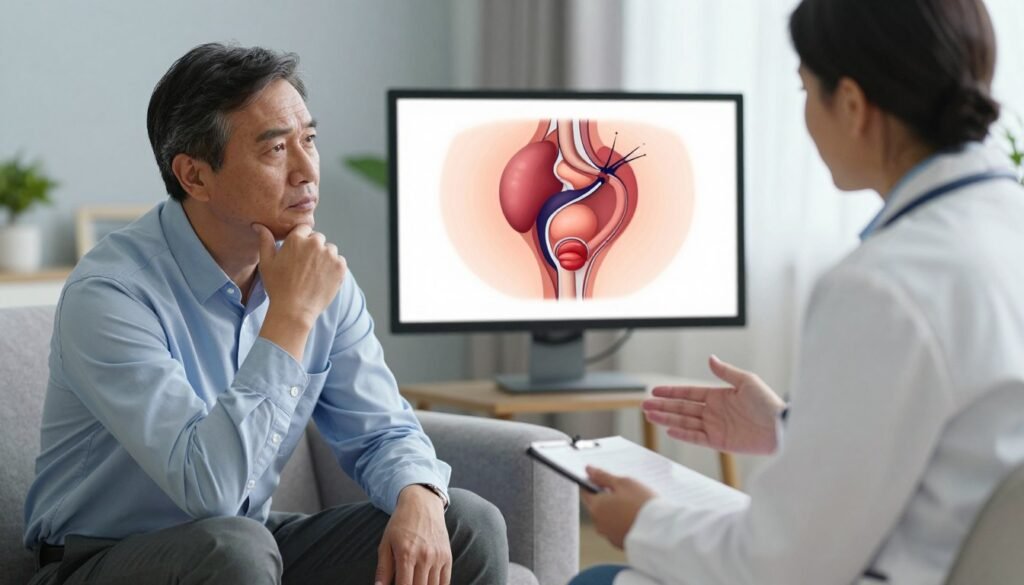
Reduced Sexual Drive and Libido
A drop in libido is a frequent concern for those dealing with an enlarged prostate. When the body struggles with chronic discomfort, interest in sex naturally fades.
Hormonal Changes and Prostate Enlargement
As men age, hormonal shifts often occur alongside prostate enlargement. Specifically, changes in testosterone and dihydrotestosterone levels can dampen your sex drive. These chemical changes make it harder for the body to signal desire.
Impact of Urinary Symptoms on Sexual Desire
Persistent urinary symptoms also play a massive role in reducing libido. Waking up multiple times at night leads to extreme fatigue and high stress. It is difficult to focus on intimacy when you are exhausted.
Decreased Sexual Satisfaction
Even when a man maintains his desire, the quality of the experience might change. Various problems related to orgasm can make the moment feel less rewarding than before.
Ejaculatory Problems and Changes
Individuals often notice a decrease in the force or volume of ejaculation during sex. This is a common part of living with bph. While these changes are not usually dangerous, they can be frustrating.
Retrograde Ejaculation Explained
In some cases, the prostate allows semen to travel backward into the bladder instead of being expelled. This is known as retrograde ejaculation. While this condition is not physically harmful, it often reduces the intense sensation of a climax.
“The intersection of urinary health and sexual wellness is a vital component of a man’s quality of life.”
Physical Discomfort During Intimacy
An enlarged prostate can also cause physical pain in the pelvic or perineal area. Pressure in this region makes the act of ejaculation itself quite uncomfortable. Addressing these issues with a doctor is the first step toward relief.
| Condition | Physical Change | Impact on Satisfaction |
|---|---|---|
| Retrograde Ejaculation | Semen enters the bladder | Reduced sensation at climax |
| Nocturia Fatigue | Frequent nighttime urination | Lowered sexual drive and energy |
| Pelvic Pressure | Physical discomfort in the groin | Pain during or after intimacy |
The Connection Between Enlarged Prostate and Erectile Dysfunction
Navigating the complexities of male health often means addressing the frequent overlap between an enlarged prostate and erectile dysfunction. While these are two different issues, they often appear during the same age and stage of life.
Many men find that as their prostate grows, their sexual performance also changes. Understanding how these conditions interact is the first step toward finding relief. It is common to feel concerned, but knowledge can reduce the anxiety associated with these health shifts.
Defining Erectile Dysfunction
Clinical erectile dysfunction is the consistent inability to get or keep an erection firm enough for sex at least 25% of the time. It is more than just a one-time failure due to stress or fatigue.
Most people will experience occasional problems, but a chronic condition develops gradually. At its core, an erection is a matter of hydraulics involving several systems working together.
The body must send a rush of blood to the penis, which then swells and stays firm as a vital part of the process. This requires healthy blood vessels and functioning nerves to be successful.
Why Men with BPH Experience Erectile Dysfunction
An enlarged prostate does not directly cause sexual dysfunction, but the two are closely linked in medical studies. Research shows that those with BPH are much more likely to have trouble maintaining arousal.
This connection suggests that the same internal triggers might influence both conditions. When men face urinary issues, the physiological stress can take a toll on other aspects of their sexual health.
“Sexual health is a window into a man’s overall vascular and hormonal well-being.”
Shared Risk Factors and Age-Related Changes
Advancing years remain a major factor for both health issues. Common health problems like diabetes, obesity, and heart disease affect the prostate and sexual organs simultaneously.
These systemic issues often impair the nerves and vessels throughout the pelvic region. Because these areas share the same support systems, one issue often follows the other.
Blood Flow and Nerve Function Issues
Reduced blood flow is a primary culprit for erectile dysfunction. When blood cannot reach the penis easily due to narrowed arteries, the quality of the erection drops significantly.
In many cases, the same lack of blood oxygenation that affects the pelvic floor can worsen BPH. Over time, these blood flow issues make it harder for the organs to function as they did in younger years.
When to Talk to Your Doctor About ED
You should speak with a doctor if you notice persistent sexual dysfunction for several weeks or months. This is especially important if it happens alongside new urinary issues.
Sometimes, these changes act as an early warning for heart disease or other serious health concerns. Do not wait for surgery or severe pain to seek help from a medical doctor.
| Feature | Erectile Dysfunction | BPH (Enlarged Prostate) |
|---|---|---|
| Primary Issue | Poor erection quality | Urinary symptoms |
| Key Driver | Reduced blood flow | Glandular growth |
| Target Area | The penis | The prostate |
- Regular Screenings: Yearly checkups can catch both issues early.
- Healthy Habits: Exercise improves circulation to all pelvic organs.
- Open Dialogue: Discussing dysfunction with a professional leads to better treatment.
How BPH Medications Affect Sexual Health
Prescription drugs for an enlarged prostate improve urine flow effectively. However, they often come with trade-offs for your sex life. Many men find that the very medications meant to help them can trigger unwanted side effects.
Knowing how different treatments work helps you make an informed choice. Some drugs target hormone levels, while others focus on muscle relaxation. These chemical changes can lead to various effects on your intimate performance.
5-Alpha-Reductase Inhibitors and Sexual Side Effects
These drugs work by preventing testosterone from turning into dihydrotestosterone. This process helps shrink the prostate over time. However, this hormonal shift can cause specific sexual side effects in some patients.
Finasteride (Proscar) and Libido Changes
Finasteride is a widely used drug in this class. Research indicates that approximately 3.3% of men notice a decrease in their sexual drive. This loss of desire is one of the most common effects reported by users.
Impact on Erectile Function
In addition to low libido, these medications are linked to erectile dysfunction. Statistics show that about 3.7% of users struggle with this particular dysfunction. It is important to note that these effects may be distressing for active men.
In some cases, the sexual dysfunction can persist even after stopping the pill. Always monitor your body’s response to these effects closely. Discussing these changes with a professional is essential for your well-being.
Alpha-Blockers and Sexual Function
Alpha-blockers offer another path for managing urinary issues. These treatments focus on relaxing the smooth muscles within the bladder and prostate. This relaxation makes it much easier to urinate without straining.
Tamsulosin, Alfuzosin, and Silodosin
Drugs like tamsulosin (Flomax) and silodosin carry a lower risk of erectile dysfunction. While they preserve sexual function better than inhibitors, they still have sexual side effects. They can cause retrograde ejaculation, which is a common sexual side concern.
ED Medications That Improve BPH Symptoms
Interestingly, some drugs designed for the bedroom also help the bladder. These medications improve blood flow and relax pelvic muscles. This dual action is a major breakthrough for men facing bph and erectile dysfunction.
Tadalafil (Cialis) for Dual Treatment
Tadalafil is a primary choice for treating erectile dysfunction and prostate issues simultaneously. A daily 5mg dose can significantly reduce urinary symptoms. It helps maintain sexual function while protecting your urinary health.
Discussing this option with your doctor can help manage sexual dysfunction. It also minimizes the risk of other side effects. Always seek professional advice before changing your pill regimen.
The goal is to balance effective treatment of urinary symptoms with the preservation of sexual quality of life.
| Medication Class | Common Brands | Impact on Sexual Wellness |
|---|---|---|
| 5-Alpha Inhibitors | Proscar, Avodart | Higher side effects; potential for dysfunction |
| Alpha-Blockers | Flomax, Rapaflo | Lower risk for ED; sexual side risks |
| PDE5 Inhibitors | Cialis | Shrinks prostate symptoms; aids erections |
Psychological Factors Affecting Sexual Intimacy with BPH
Living with BPH involves more than just physical discomfort. The mental burden is a significant part of the experience. It often shapes how a man views his daily life and romantic connections.
Stress and anxiety can create invisible barriers that make physical closeness feel difficult. These feelings often arise when symptoms become unpredictable. Understanding the mind-body connection is the first step toward reclaiming intimacy.
“Mental health is just as important as physical health when managing chronic conditions like BPH.”
Stress and Anxiety Related to BPH Symptoms
Men often feel a sense of embarrassment regarding their urination habits. The fear of needing a bathroom at an urgent time during intimacy can cause performance anxiety. This mental strain often leads to a decreased desire for sex and may trigger other physical issues.
Worrying about potential pain or a difficult ejaculation further complicates the situation. When the mind stays focused on bladder control, it is hard for the body to relax. This cycle of anxiety can make men avoid intimate moments altogether to escape the pressure.
Impact of Frequent Nighttime Urination on Relationships
Frequent urination at night, known as nocturia, does not just affect the patient. It disrupts the sleep of their partner as well. Constant interruptions lead to exhaustion, which naturally lowers the drive for physical connection.
Over time, managing frequent urination can cause tension and irritability between couples. Sleep-deprived partners may struggle to connect emotionally. This makes the physical act of sex feel less like a priority and more like a chore.
The Importance of Open Communication with Your Partner
Addressing these issues requires honesty and vulnerability. Talking openly about the reality of urination struggles helps partners understand the situation. It ensures that a lack of intimacy is not seen as personal rejection.
Establishing clear communication creates a supportive environment for healing. Sharing these concerns reduces the psychological weight of the condition. When both people understand the symptoms, they can work together to find creative solutions.
Treatment Options That Preserve Sexual Function
You do not have to choose between relieving urinary discomfort and maintaining a healthy sexual relationship. Many modern treatments now prioritize your overall quality of life. Medical experts provide ways to shrink the prostate while protecting your natural sexual function.
Prostatic Artery Embolization (PAE)

PAE is a major breakthrough for men seeking relief without undergoing traditional surgery. This procedure focuses on reducing the blood supply to the enlarged gland directly. It offers a way to manage symptoms with very few side effects.
How PAE Works Without Surgery
A specialist inserts a tiny catheter into the wrist or the groin area. They release microscopic beads into the vessels to slow down blood flow. The targeted tissue then shrinks, which quickly eases the pressure on your bladder.
Benefits for Sexual Function Preservation
PAE is highly effective because it does not damage the nerves surrounding the prostate. It also protects the bladder neck from internal trauma during the process. Most importantly, the procedure preserves natural ejacuation, which is a common concern for many.
PAE vs. Traditional Surgical Treatments
Traditional surgery like TURP often carries a higher risk of long-term sexual issues. While effective at shrinking tissue, surgery can lead to permanent problems with sexual performance. PAE provides a safer alternative that keeps your health and intimacy in mind.
PDE5 Inhibitors for Erectile Dysfunction

If you experience erectile dysfunction, specific medications can help you regain your confidence. These treatments work well alongside other BPH management plans. They allow a man to enjoy a more spontaneous and fulfilling sex life.
Sildenafil (Viagra), Vardenafil (Levitra), and Tadalafil (Cialis)
Sildenafil and Vardenafil usually stay active in the body for about four to five hours. Tadalafil is unique because it can remain effective for up to 36 hours. This longer window helps avoid the stress of timing a pill perfectly before intimacy.
How These Medications Work
These drugs stop enzymes from breaking down the chemicals that maintain an erection. They relax the smooth muscles so that more blood can fill the penis. This process helps you achieve a firm erection when you feel aroused.
Lifestyle Modifications to Improve Sexual Health
Simple daily habits can significantly improve how you feel and perform. Focusing on your cardiovascular health often reduces the severity of BPH problems. Small changes can lead to a much stronger erection over time.
Diet, Exercise, and Stress Management
A balanced diet and regular cardio exercise improve blood flow throughout your entire body. Regular movement also helps you maintain a healthy weight and lowers prostate pressure. Managing stress prevents performance anxiety that can stop an erection before it starts.
Reducing Alcohol Consumption
Too much alcohol can interfere with the signals between the brain and the penis. It also acts as a diuretic, making your urinary symptoms worse throughout the night. Cutting back on drinks helps ensure a reliable erection and better sleep.
Working with Your Doctor to Adjust BPH Medications
If your current medications cause side effects, talk to your doctor immediately. They can often adjust the dose or switch you to different treatments that protect your function. Always consult your doctor before changing how you take your prescribed pills.
Conclusion
Navigating the complexities of an enlarged prostate often feels overwhelming, but effective management is within reach for every man. While an enlarged prostate cause physical changes, these specific issues do not have to define your sex life. Most men find that understanding the connection between bph and sexual function helps them regain complete control over their physical well-being and confidence.
Every man experiences symptoms in a unique way, which is why personalized care is essential for long-term health. It is vital to consult a doctor to discuss how prostate changes impact your daily routine. Modern medical treatments, such as lifestyle shifts or minimally invasive procedures, help protect your vitality while treating the prostate effectively.
Do not let the symptoms of an enlarged prostate discourage you or create unnecessary distance with your partner. Open communication remains a vital part of maintaining health and intimacy during this transition. By talking to a professional doctor, men can find tailored solutions that address both the prostate and their personal needs without compromise.
With the right medical support, men can continue to enjoy a satisfying and active lifestyle. An enlarged prostate is a manageable condition and not a permanent barrier to your sexual happiness. Taking a proactive role today ensures that your prostate health remains a primary priority for many years to come.