Do Women Need a Prostate Exam? What You Should Know
Do Women Require Prostate Exams? Key Facts and Expert Insights

Many people feel confused about female anatomy and specific medical screenings. It is common to ask a medical professional: do women have a prostate exam during their routine checkup?
While biological females do not possess this specific gland, they have a structure called Skene’s glands. These are often referred to as the “female prostate” because they share similar embryonic origins.
A doctor might still suggest a rectal exam to monitor your internal well-being. These tests are essential to screen for colorectal cancer or other pelvic conditions that require early detection.
Maintaining your overall health involves understanding which screenings are actually right for your specific body. For trans women, the medical situation is slightly different than for cisgender individuals.
Even after gender-affirming surgery, the prostate remains in place and requires attention. Regular exam visits and screenings for cancer are vital for long-term safety and peace of mind.
Key Takeaways
- Biological women have Skene’s glands instead of a traditional prostate gland.
- A standard prostate screening is not part of a cisgender woman’s routine care.
- Rectal examinations are used to check for colorectal health and pelvic issues.
- Trans women still have a prostate and need regular screenings for it.
- Skene’s glands perform functions similar to the male prostate, such as fluid production.
- Early detection through proper medical tests is the best way to stay healthy.
Do Women Have a Prostate Exam? Understanding the Facts
Understanding your health often involves clearing up myths, like whether women ever need to schedule a prostate exam. Since people assigned female at birth do not have a prostate gland, this specific screening is not medically necessary.
However, confusion often arises because a doctor may recommend a rectal exam for entirely different reasons. While the technique feels similar, the purpose focuses on the rectum and surrounding tissues rather than a gland that doesn’t exist in the female body.
Healthcare providers may also use these checks to evaluate the space between the uterus and the rectum. This helps them find issues like pelvic pain or bowel changes that people might experience during different life stages.
“While the term ‘prostate exam’ doesn’t apply to women, specific pelvic assessments are vital for reproductive and digestive wellness.”
A doctor ensures that every exam serves a unique purpose for your body. It is important to know that while the procedure is similar to a prostate screening, its goals for women are fundamentally different.
| Aspect | Male Context | Female Context |
|---|---|---|
| Primary Target | Prostate Gland | Rectum and Pelvic Organs |
| Common Reason | Cancer Screening | Pelvic Pain or Bowel Issues |
| Goal | Glandular Health | Tissue and Organ Assessment |
- Women lack a prostate gland, making a prostate-specific exam technically impossible.
- A rectal exam for a female patient focuses on digestive and reproductive health.
- These checks help evaluate the space behind the uterus to ensure overall pelvic stability.
The Female Anatomy: What Women Have Instead of a Prostate
Let’s dive into the world of Skene’s glands, the anatomical cousins of the male prostate that play a vital role in women‘s health. These tiny structures are a natural part of your body that often goes unnoticed. Knowing how they work is key to understanding your own physical well-being.
What Are Skene’s Glands (The Female Prostate)?
Skene’s glands are two small ducts located near the front wall of the vagina. They sit on either side of the lower end of the urethra, where urine exits the body. Scientists often call them the “female prostate” because they develop from the same embryonic cells as the male version.
How Skene’s Glands Function in Women’s Health
These glands produce fluid that provides lubrication during sexual activity. This fluid may help protect the area and may help prevent common urinary tract infections. Maintaining good health in this area is important, as problems like cysts or infections can occur.
While rare, issues like skenitis can cause painful symptoms. It is also possible, though extremely uncommon, for cancer to develop in these tissues, similar to the male prostate. Doctors monitor this area to ensure everything functions correctly for women throughout their lives.
| Feature | Male Prostate | Skene’s Glands (Female) |
|---|---|---|
| Primary Function | Semen production | Lubrication & Protection |
| Location | Below the bladder | Near the vaginal wall |
| Embryonic Origin | Urogenital sinus | Urogenital sinus |
What Is a Digital Rectal Exam for Women?

The term “digital” often confuses patients, but in a digital rectal examination, it simply refers to the doctor using their finger. This quick, simple procedure happens in the office and helps your healthcare provider check your internal health.
During a digital rectal, the provider inserts a lubricated finger into the rectum of the person being examined. This allows them to feel for any abnormalities or growths through touch. For a woman, digital rectal exams provide even more data.
The doctor can also feel the specific space between the uterus and the rectum. A digital rectal is often part of a routine gynecological exam. However, a rectal exam is especially helpful if a person has unexplained pelvic pain.
While it might feel a bit awkward, this rectal exam is very fast. A lubricated finger ensures the digital rectal is as comfortable as possible. This hands-on procedure remains a vital tool for detecting potential issues through touch alone.
Knowing what to expect during a rectal exam can help you feel much more relaxed at your next visit. A digital rectal helps your provider ensure that your pelvic health is fully assessed during your exam. These visits are a key part of staying healthy.
When Do Women Need a Rectal Examination?
A rectal examination is a valuable tool that provides your doctor with critical insights into your digestive and reproductive systems. This specific test is an essential part of a comprehensive health assessment for many women.
Medical professionals may recommend this check to investigate various concerns that a standard pelvic exam might miss. It allows them to feel structures that are otherwise difficult to reach.
Symptoms That May Require a Rectal Exam
If a person experiences unusual anal pain or bleeding, a rectal exam is often the first step in finding the cause. Chronic constipation or sudden changes in bowel habits might also prompt your doctor to suggest this procedure.
Unexplained pelvic pain or symptoms like bowel incontinence are other common reasons for this examination. These signs suggest that the muscles or nerves in the pelvic floor need a closer look.
Conditions Doctors May Diagnose Through Rectal Exams
A rectal exam helps in the diagnosis of several issues affecting the rectum and surrounding organs. Doctors may recommend rectal exams to detect hemorrhoids, anal fissures, or even colorectal cancer.
“A thorough examination is the cornerstone of effective diagnosis and long-term wellness for every patient.”
This tool also allows them to check for cancer in the digestive tract or feel for abnormalities in the uterus. A rectal exam is vital for spotting issues like rectal prolapse or endometriosis during a physical.
Finally, rectal exams provide a clear view of the rectum and pelvic floor strength. This helps ensure that no underlying issues are left untreated.
| Condition | Common Warning Signs | Diagnostic Goal |
|---|---|---|
| Hemorrhoids | Bleeding, itching, or swelling | Confirm enlarged veins |
| Endometriosis | Severe pelvic or period pain | Identify nodules near the uterus |
| Rectal Prolapse | Pressure or bulging sensation | Assess pelvic floor support |
| Anal Fissures | Sharp pain during bowel movements | Locate small tears in the lining |
Step-by-Step: What to Expect During a Female Rectal Exam
Let’s break down the stages of a female rectal exam so you can approach your appointment with confidence. Understanding these steps can take away the mystery of the exam and help you feel more at ease. Most medical visits are less stressful when you know exactly what is going to happen next.
Preparing for the Procedure
A doctor usually performs this procedure in a private medical room. They will ask the person to undress from the waist down and provide a paper gown for coverage. This ensures your privacy while allowing the provider to conduct the check-up efficiently.
You will then lie on your left side on the padded table. Bring your knees up toward your chest to stay in the best position. This specific posture makes the examination simple and quick for the medical provider to complete.
During the Examination: The Process Explained
The provider first checks the outside of the anus for any skin issues or hemorrhoids. Then, they insert a lubricated, gloved finger into the rectum. You may feel a bit of pressure or a full sensation as they do this.
It is normal to feel uncomfortable during these steps. However, the process should not cause sharp or intense pain. Staying relaxed is the best way to help the provider get clear information.

Taking a slow, deep breath inward helps your pelvic muscles relax. The provider may ask the person to tighten their muscles around the finger briefly. This is a part routine way to check your muscle tone and strength.
They will move their finger in a circular motion to check the rectal walls. You may feel them gently check the area near the cervix and uterus as well. This complete exam usually lasts only a minute or two from start to finish.
Understanding Your Results
After the test, the provider removes their glove and checks it for any signs of blood. The person can then clean up with a tissue and get dressed in private. Most providers will discuss their findings with you immediately after the check-up.
Your doctor will talk to you about the results and what they mean for your health. If they find anything unusual, they might suggest a follow-up or more tests. Strong communication with your provider ensures you get the best care possible.
| Exam Stage | What Happens | Primary Goal |
|---|---|---|
| Preparation | Lying on left side | Ensures provider access |
| Internal Check | Finger rotation | Finds lumps or growths |
| Muscle Test | Tightening muscles | Assesses pelvic tone |
| Evaluation | Glove inspection | Detects hidden blood |
Pelvic Exams and Rectovaginal Exams Explained
Understanding how different screenings work helps women feel more comfortable during their annual checkups. A pelvic exam is a standard part of wellness visits, but sometimes a more detailed exam is necessary. This specialized procedure allows your doctor to check areas that might be missed during a basic screening.

What Is a Rectovaginal Exam?
A rectovaginal assessment involves a specific technique where the person lies on the table with their legs in stirrups. It combines elements of both pelvic and rectal assessments into one focused exam.
During this check, the provider inserts one lubricated finger into the vagina and another into the anus simultaneously. They may also press on the person’s belly with their other hand to feel the internal organs from both sides.
This allows the provider to thoroughly assess the thin wall separating the vagina and the rectum. It is a vital tool for identifying abnormalities or growths that are deep within the pelvic cavity.
How This Differs from a Standard Rectal Exam
A standard rectal exam focuses primarily on the lower digestive tract and the health of the anal canal. In contrast, a rectovaginal rectal examination provides a multi-dimensional view of the entire pelvic floor.
While a typical pelvic exam checks the cervix and uterus, this combined method finds concerns in the space between these structures. It helps identify specific conditions like endometriosis or pelvic masses more accurately.
Your healthcare provider might choose this thorough exam over a standard rectal exam if you have chronic pelvic pain. It provides valuable diagnostic information to ensure your reproductive and digestive health remains optimal.
Skene’s Glands Problems: Warning Signs and Symptoms
Learning about your Skene’s glands is a great way to protect your overall health. These small structures are often known as the female prostate. Sometimes, these glands can develop infections or painful cysts that disrupt your daily routine.
Skenitis: Causes and Symptoms
Skenitis is the most frequent issue that affects this prostate-like tissue. It is an inflammation that some people may also confuse with a common urinary tract infection. This happens because both conditions share similar symptoms, like an urgent need to urinate.
Other signs include swelling, soreness, and pain during sexual activity. In many cases, infections like gonorrhea are the root cause of the problem. Staying aware of these changes helps women seek help before the pain becomes severe.
When to Seek Medical Attention
If you feel constant burning or vaginal pressure, you should visit a doctor. A professional can run a diagnostic test to find the exact cause of your pain. Getting a quick diagnosis allows you to start the right treatment plan immediately.
Regular exams are also helpful to rule out very rare issues like cancer. Consistent check-ups are the best way for women to maintain pelvic comfort and peace of mind. Early action ensures that minor infections do not turn into long-term health problems.
| Condition | Key Symptoms | Common Causes |
|---|---|---|
| Skenitis | Swelling, pain, frequent urination | Bacterial infections, STIs |
| Skene’s Duct Cyst | Palpable lump, local discomfort | Blocked gland ducts |
| UTI | Burning, urgency, cloudy urine | Bladder or urethral bacteria |
Special Considerations: Prostate Exams for Trans Women
Let’s focus on an essential but rarely discussed health topic: prostate cancer screening for trans women. Many people overlook the fact that trans women still have a prostate even after medical transition. Because of this, staying proactive about your prostate health should remain a part routine of your long-term medical care.
Every person has the right to receive respectful healthcare that addresses their specific anatomy. Trans women have the same right to a prostate-specific antigen blood test as cisgender men. This simple test helps identify prostate problems early, which is vital for successful treatment and cancer prevention.
If you are over 50, or over 45 with a family history risk, talk to your doctor about your options. You should ideally get a baseline blood test before starting feminizing hormones or having an orchidectomy. These steps ensure you and your healthcare team have a clear picture of your prostate before changes occur.
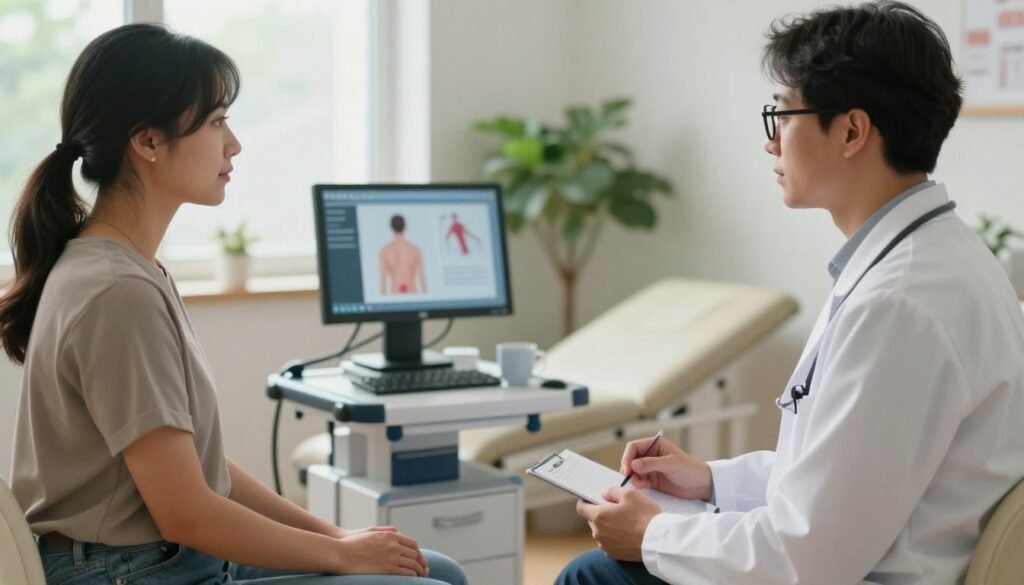
PSA Blood Test Guidelines for Trans Women
The prostate-specific antigen levels in your blood can change based on hormone therapy. For a person not taking hormones, results under 3ng/ml are usually considered normal. However, if you use feminizing hormones, your prostate often shrinks, and normal levels should be under 1ng/ml.
A raised PSA level doesn’t always mean you have prostate cancer. It is simply the first step in a deeper diagnosis process. Your doctor may also order a urine test or an MRI scan to get more information about any issues. These additional tests help clarify if the prostate requires more attention or a biopsy.
Prostate Examination Options After Gender Affirming Surgery
Depending on your surgical history, the physical examination of the prostate may vary. If you have had a vaginoplasty, your urologist can check prostate health through the vaginal wall. This examination is often more comfortable for many women than a traditional rectal examination.
If you have not had vaginoplasty, a digital rectal procedure is the standard method. During this exam, the doctor feels the prostate through the wall of the rectum. You can always choose to have only the blood test if you feel uncomfortable with digital rectal exams.
When you visit a clinic, don’t hesitate to discuss your pronouns and preferred language at the start. You may feel nervous waiting in a room, so ask if you can book the first or last appointment when the clinic is quieter. Healthcare professionals must treat you with dignity and respect throughout every physical examination.
If a biopsy is needed, there are three main types used to check prostate tissue. These include transvaginal, TRUS guided through the rectum, or transperineal through the skin of the perineum. Each method uses a small needle to collect samples for prostate cancer testing through the skin or internal walls.
“If your GP is unsure about transition-related care, they should seek expert guidance from specialized services.”
Your healthcare provider can access expert guidance from the NHS gender dysphoria clinic or other trans-health organizations. Ensuring your medical team has the right guidance leads to better care and clearer tests. Never feel like you have to navigate prostate cancer risks alone without support.
| Examination Type | Description | Best Suitability |
|---|---|---|
| PSA Blood Test | Measures protein in blood | All trans women |
| Digital Rectal | Manual exam via rectum | No gender surgery |
| Transvaginal | Manual exam via vagina | Post-vaginoplasty |
| Urine Test | Analyzes blood or cells | General screening |
Essential Health Screenings Women Should Know About
Proactive healthcare for women includes various screenings that help detect conditions like cancer at their most treatable stages. Regular check-ups are a vital part of your annual routine. A doctor may recommend specific tests based on your age and unique risk factors.
For instance, a mammogram remains the gold standard for breast cancer detection. A Pap smear effectively checks cervical health during your pelvic exam. While women usually focus on these, every person should also consider colorectal screening through a colonoscopy. Even though prostate cancer concerns often target men, staying informed helps every person navigate their health journey effectively.
Routine healthcare also involves a comprehensive blood test to monitor cholesterol and blood sugar levels. Providers often use a urine test to check for kidney function or signs of infection. These diagnostic tests provide a clear picture of your general health and wellness. Staying consistent with these tests ensures that your healthcare provider can catch potential issues early.
| Screening Type | Primary Purpose | Common Frequency |
|---|---|---|
| Mammogram | Breast cancer detection | Every 1-2 years |
| Colonoscopy | Colorectal screening | Every 10 years |
| Blood Pressure | Heart health | Every office visit |
| Skin Check | Skin cancer detection | Annually |
Stay current with every exam to ensure long-term wellness. While some people discuss prostate cancer in specific medical contexts, women must prioritize these unique preventive measures. Your doctor will guide you through the test schedule that fits your life stages best. Taking charge of your screenings is the best way to protect your future.
Conclusion
Navigating the world of medical screenings can feel overwhelming, but clarifying the role of a rectal exam is a great first step. While cisgender women do not need a traditional prostate screening, your doctor uses other tests to monitor your health. A digital rectal check helps find issues in the reproductive or digestive systems early.
For many people in the trans community, a prostate examination remains a vital part of healthcare. Trans women often require specific screenings like a PSA blood test to check for cancer risks. Visiting your local clinic for these services ensures you stay proactive about your long-term wellness.
Staying informed about your body may help you and other people feel more confident. Always maintain an open dialogue with your healthcare team. Your doctor is there to provide the right exam based on your unique needs.