Do Women Get Prostate? Exploring the Myth
Understanding the Female Prostate: Science, Myths, and Medical Insights

Have you ever wondered if the female body holds anatomical secrets that we usually only associate with men? It is a common question that leads to much curiosity regarding reproductive health in the United States.
While females do not have a traditional prostate, they possess a fascinating structure with very similar traits. This tiny area is often called the Skene’s gland and mimics some functions of male prostates.
Understanding these unique parts helps you recognize early symptoms and maintain wellness. This friendly guide will demystify common myths and help you feel more confident about your own anatomy.
Key Takeaways
- Females have Skene’s glands instead of a traditional male gland.
- These glands share similar biological markers with the male version.
- Understanding your unique anatomy is essential for spotting health issues.
- Comparing male and female structures clarifies many medical misconceptions.
- Both genders require specific care for their reproductive systems.
- Early awareness of internal structures promotes long-term physical wellness.
Do Women Get Prostate? The Definitive Answer
Addressing the common question head-on: the prostate is not actually a part of the female reproductive system. Biologically, women do not have a traditional prostate gland like men do. This fact often surprises many people because health classes mostly link this organ to male anatomy. However, the human body is full of wonders, and many structures have similar versions in both sexes.
It is important to know that while the technical answer is “no,” the reality is much more interesting. While the anatomy differs, the way our bodies develop in the womb creates fascinating connections. You might hear people talk about “prostate-like” tissues in the female body. This is why the question comes up so often in doctors’ offices and online searches.
Knowing the facts helps clear up common myths and allows for better health conversations. It is totally normal to be curious about how these parts function and where they are located. To help clarify the differences, let’s look at how these structures compare in the body.
| Feature | Male Prostate | Female Equivalent |
|---|---|---|
| Primary Name | Prostate Gland | Skene’s Glands |
| Common Nickname | N/A | Female Prostate |
| Location | Below the bladder | Near the vaginal wall |
Understanding the Myth
The myth that women prostate tissues exist persists because of our shared biological roots. In the womb, embryos start with similar building blocks before specific traits develop. Because of this shared start, many male organs have a female counterpart that serves a similar role.
You might see the term “female prostate” in news articles or medical studies lately. This phrasing often leads to confusion about whether the organ is truly the same. People naturally wonder if they have the same risks or functions as their male counterparts.
What Women Actually Have Instead
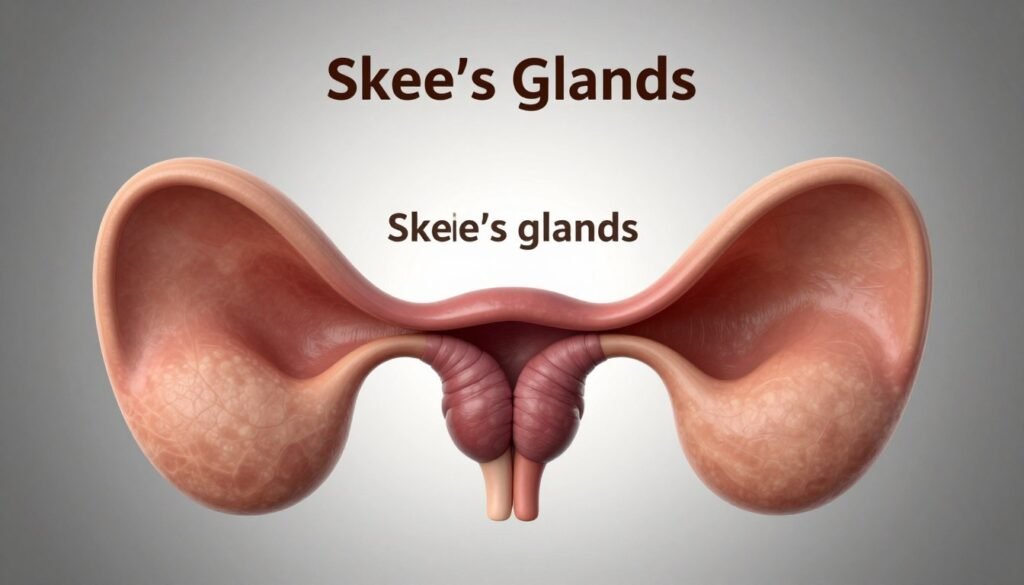
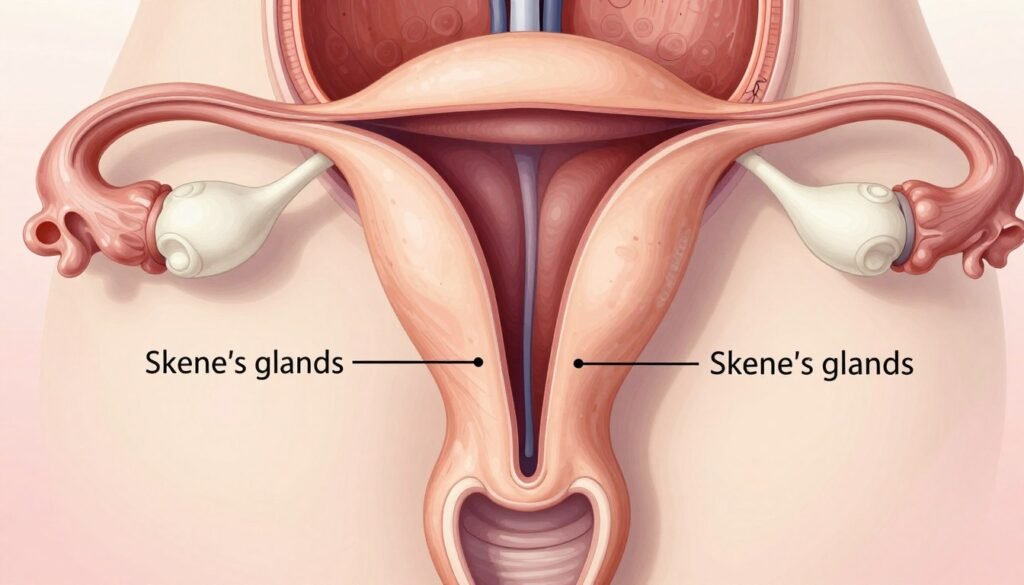
Instead of a traditional gland, females possess what are known as Skene’s glands. These are two small ducts located near the urethra on the front wall of the vagina. Because they share some chemical traits, medical experts often refer to them as the women prostate equivalent.
These structures arise from the urogenital sinus during your early growth. They create a vital link between the vaginal area and the urinary tract. While they are small, they serve their own unique purpose in the female body and provide essential lubrication.
The Skene’s glands are a series of glands and ducts at the front of the vagina, arising from the urogenital sinus and creating a link between the urethra and vagina.
What Are Skene’s Glands and Why Are They Called the Female Prostate?
To debunk common myths, we must explore the fascinating reality of the skene glands, often labeled as the female prostate. For many years, these small glands were overlooked in many medical textbooks. However, they are a crucial part of the female reproductive system and overall pelvic health.
These structures arise from the urogenital sinus during early fetal development. They are essentially the female version of the same tissue found in the male body. Understanding this connection helps us appreciate how diverse and specialized our biological systems are.
Medical professionals use the term prostate to describe these glands because of their biological similarities. These similarities include the types of proteins they produce and their specific location near the bladder. Knowing about these ducts can help you better understand your own physical health and anatomy.
Here is a quick comparison to show why these structures are so similar:
| Feature | Skene’s Glands | Male Prostate |
|---|---|---|
| Origin | Urogenital Sinus | Urogenital Sinus |
| Function | Lubrication/Protection | Fluid for Semen |
| Common Name | Female Prostate | Prostate Gland |
Location and Anatomy of Skene’s Glands
The skene glands are two small ducts located near the front wall of the vagina. You can find these glands on either side of the lower end of the urethra. Because they are quite small, they are often hard to see without a medical exam. They are perfectly placed to support the health of the urinary opening.
How Skene’s Glands Function in the Female Body
These skene glands serve a very important protective purpose. They release fluid that naturally lubricates the opening of the urethra. This action helps shield the body from harmful bacteria. Experts believe this fluid has antimicrobial properties that protect the urinary tract from infections. This process keeps the bladder healthy and functioning correctly.
The Developmental Connection to the Male Prostate
The male prostate and the female version actually start from the same embryonic cells. In men, the prostate creates a fluid that mixes with sperm to form semen. This prostate fluid is vital for sperm mobility and fertility. While women do not produce semen, this developmental link explains why the fluid-producing tissue exists in both sexes.
Comparing Skene’s Glands to the Male Prostate Gland
It is interesting to see how the male prostate and Skene’s glands do almost the same jobs in the body. Both play a big part in keeping us healthy and protected every day. Understanding these links helps clarify many medical mysteries regarding female anatomy.
Similarities in Structure and Function
The male prostate and Skene’s glands share a very close design. They both use similar tissue and sit in the same spot near the urethra. This positioning allows them to interact with the urinary system in similar ways.
These glands make special fluids that help the urinary tract stay lubricated and safe. Experts believe they even catch infections to protect the rest of the body while it heals itself. This protective role is a vital function for both men and women.
Learning about these traits helps us see why some health issues affect both genders in the same way. These shared parts show how our bodies are more alike than they are different at a biological level.
Understanding PSA (Prostate-Specific Antigen) in Women
Many women are surprised to find they make prostate-specific antigen. This protein, also called psa, usually links to the prostate gland in medical tests. However, it is not exclusive to men.
The antigen is present because Skene’s glands act like the prostate. Doctors often check psa levels in people getting treatment for breast cancer to monitor their progress. It serves as a helpful marker for hormonal changes in the body.
High prostate-specific antigen levels usually go down after a patient gets radiation therapy. This shows that the prostate gland and female glands work in a very similar way. Doctors keep a close eye on this protein to track healing and ensure treatment is working effectively.
| Feature | Male Prostate Gland | Female Skene’s Glands |
|---|---|---|
| Main Protein | Produces PSA | Produces PSA |
| Anatomy | Glandular Tissue | Glandular Tissue |
| Fluid Role | Urethral Lubrication | Urethral Lubrication |
| Infection Role | Pathogen Containment | Pathogen Containment |
Common Health Problems Affecting Skene’s Glands
Identifying common problems related to the skene glands helps in getting the right medical care quickly. While these parts are often hidden, they can develop specific health issues that mimic other conditions. Being aware of these changes is vital for your comfort.
Skenitis: Infection and Inflammation
One of the most common health issues is skenitis, which is an infection causing significant inflammation. This condition often stems from gonorrhea-related infections and can be very uncomfortable.
Because the symptoms include pain during urination and a frequent urge to go, people often mistake it for a urinary tract problem. In some cases, doctors refer to this as “female prostatitis.” Research suggests the infection stays in the glands rather than the urethra, so focusing on them instead of the bladder is key.
Skene’s Duct Cysts and Abscesses
If the ducts of the skene glands become blocked by inflammation, conditions like cysts or abscesses can develop. This is a rare result of various infections but can lead to a noticeable mass on either side of the urethra.
Common symptoms include difficulty with urination and unusual vaginal discharge. You might also experience sharp discomfort during sex. These problems usually require a healthcare provider to drain the fluid to prevent more cases of swelling or recurring discomfort.
Other Conditions: Adenofibromas and PCOS Connection
Other health concerns include adenofibromas, which are noncancerous growths. These growths affect both the glandular and fibrous tissue in the area. While not common, they are important to monitor through regular exams.
The connection between hormonal health and these structures is stronger than many realize.
Interestingly, women with polycystic ovary syndrome (PCOS) often have larger skene glands on each side of the urethral opening. While these enlarged areas aren’t always painful, they can change how the surrounding tissue feels. Properly caring for these glands ensures you maintain your overall pelvic health and well-being.
| Condition | Common Symptoms | Potential Causes |
|---|---|---|
| Skenitis | Urinary pain, swelling | Bacterial infections |
| Duct Cysts | Noticeable mass, discharge | Blocked glandular ducts |
| Adenofibroma | Tissue growth, pressure | Glandular overgrowth |
| PCOS Impact | Enlarged gland size | Hormonal imbalances |
Can Women Get Prostate Cancer? Understanding the Rare Risk
Technically, a woman cannot develop prostate cancer in an organ she does not possess, yet the female equivalent carries its own risks. While the male gland is absent, the skene glands can still foster a rare cancer. This female prostate cancer comprises a tiny fraction of reproductive system cancer types found in the body.
“Understanding rare conditions allows us to treat the individual, not just the statistic.”
While the overall risk is low, staying aware of your health remains very important. This specific type of cancer often stays asymptomatic during its early stages. Knowledge is your best defense when dealing with these unusual medical conditions.
Cancer in Skene’s Glands: How Rare Is It?
One significant difference between the sexes is that this cancer is extremely rare in the skene glands. Most cases occur in post-menopausal women. Because it is so unusual, this prostate cancer represents only 0.003% of all female genital cancer findings reported by doctors.
These small tumors can still impact the reproductive system significantly if left untreated. Most medical experts note that these growths tend to stay small and slow-moving. However, they still require professional attention to ensure long-term safety.
Recognizing Symptoms of Skene’s Gland Cancer
Identifying symptoms like elevated psa levels is a crucial step for diagnosis. These levels often spike when prostate cancer cells are present in the tissue. You might notice a sudden difficulty with urination or find blood in your urine during your daily routine.
Pressure on the bladder and painful urination are also common prostate cancer signs to watch for. If you see blood or feel extreme fatigue, check your health immediately. This prostate cancer often mimics male prostate issues, making it hard to identify without testing.
Diagnosis Challenges and Treatment Options
Because this prostate cancer is so rare, many doctors often misdiagnose it as a routine infection. Effective treatment depends on whether the harmful cells have spread to other areas. Your doctor might suggest a chemical treatment or radiation to target the growth.
In serious situations, surgical treatment removes the cancerous cells to prevent further spread. Proper management of the prostate area is vital for a full recovery. This prostate cancer requires a specialized approach from an experienced medical team.
- The female prostate is small but requires regular attention.
- Always understand your prostate anatomy to spot changes.
- Every prostate needs regular check-ups regardless of your age.
- Monitor your prostate health for any signs of pelvic discomfort.
- Report any prostate pain to a healthcare provider early on.
| Condition Factor | Male Prostate Cancer | Female Skene Gland Cancer |
|---|---|---|
| Cancer Frequency | Very Common | Extremely Rare |
| Diagnostic Marker | Elevated PSA | Elevated PSA |
| Common Age | Over 50 | Post-menopausal |
| Primary Risk | Urinary Blockage | Reproductive Spread |
Conclusion
Learning about the female reproductive system starts with identifying parts like Skene’s glands. While women do not have traditional prostates, these glands act as a similar part within the female body. Staying informed about these areas helps you spot potential problems early.
Regular check-ups are key to keeping your health on track. These visits allow doctors to catch rare issues or infections before they get worse. Knowing how your system works helps you speak up during clinic visits.
Asking if you have a prostate shows a healthy interest in your anatomy. Early detection and care ensure your prostate health stays a top priority. Talk to your provider today to stay proactive about the female prostate equivalent.
| Area of Focus | Why It Matters |
|---|---|
| Anatomy Awareness | Helps identify the function of Skene’s glands. |
| Regular Exams | Catch infections or rare conditions early. |
| Clear Dialogue | Improves communication with your healthcare provider. |