Can Prostate Problems Cause ED? Understand the Link
How Prostate Health Affects Sexual Function
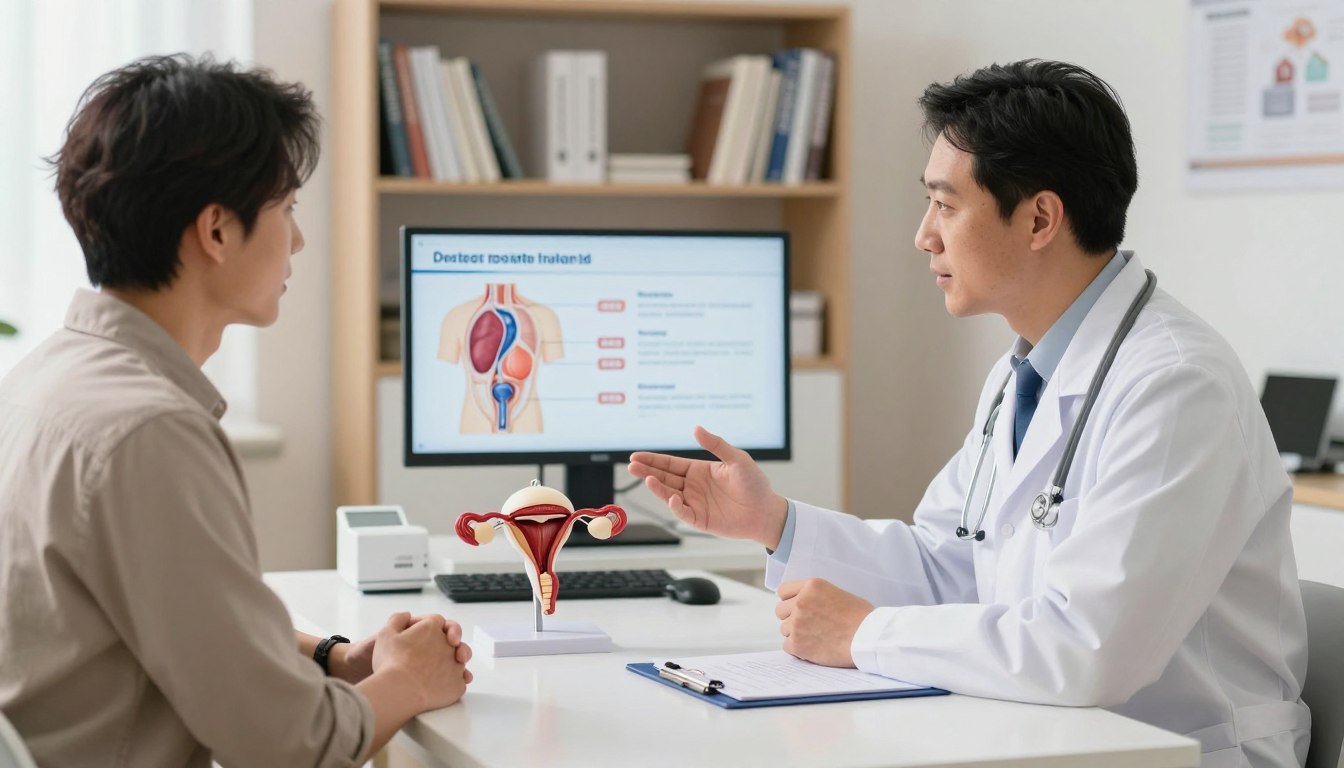
What if difficulties in the bedroom actually stem from a walnut-sized gland near your bladder? This question troubles many men. The answer is a clear yes. Various conditions affecting this gland and their medical interventions are frequent physical sources of erectile dysfunction.
This small but vital organ sits below the bladder. It surrounds the urethra, the tube crucial for both urination and ejaculation. Its health is directly tied to sexual function.
Hearing this link exists can be unsettling. Please know you are not alone. Experiencing erectile dysfunction is a common medical issue. It is not a reflection of your masculinity or a permanent sentence.
Several specific glandular issues can impact performance. These include prostate cancer, benign prostatic hyperplasia (BPH), and prostatitis. Hormonal shifts, like low testosterone, also play a role. Even the treatments for these conditions, including certain surgeries, carry risks for sexual side effects.
The good news is that understanding this connection is powerful. This article will guide you through the science of erections, detailed diagnosis, and modern treatment paths. Knowledge is the first step toward reclaiming your health and confidence.
Key Takeaways
- Prostate conditions are a common physical cause of erectile dysfunction.
- The gland’s location affects both urinary and sexual function.
- Treatments for prostate issues can sometimes impact sexual performance.
- Erectile dysfunction is a medical condition, not a personal failing.
- Understanding the link is the first step toward effective management.
- Multiple treatment options exist for both prostate health and ED.
- Seeking professional medical advice is crucial for proper diagnosis.
Introduction: Your Prostate and Your Sexual Health
Nestled deep within the male pelvis, a small gland plays a surprisingly large role in both urinary and sexual wellness. This organ is the prostate. It is about the size of a walnut and sits just below the bladder.
Its location is key. The prostate wraps around the urethra, the tube that carries urine from the bladder. This same tube also transports semen during climax.
The primary job of this gland is reproductive. It produces a special fluid that mixes with sperm. This combination creates semen during ejaculation.
This fluid nourishes and protects sperm cells. It helps them travel successfully. This makes the prostate a vital part of the male reproductive system.
Its health is directly tied to sexual function and pleasure. A well-functioning gland supports strong erections and satisfying orgasms. It is central to fertility.
When the prostate changes, it can affect nearby structures. Enlargement or inflammation may press on the urethra. It might also impact delicate nerves and blood vessels.
These changes often influence sexual health. Issues may involve erection strength or ejaculation comfort. Understanding this link is the first step toward wellness.
Keeping this small gland healthy is crucial for men of all ages. It supports a fulfilling sex life and overall well-being. Your prostate’s condition matters more than you might think.
What Is Erectile Dysfunction (ED)? Defining the Problem
Many men wonder where the line is between a simple ‘off night’ and a true medical concern.
Here is the clear definition. Erectile dysfunction is the consistent inability to get or keep an erection firm enough for sex. Medically, this means it happens at least 25% of the time.
It is crucial to understand what this dysfunction is not. It is not the rare difficulty after too much alcohol or during high stress.
Nearly every man experiences occasional trouble. Erectile dysfunction is different. It involves regular challenges with sexual performance.
The condition often starts slowly. You might notice changes over months or years.
An erection could take more stimulation to achieve. It may not feel as rigid as it once did. Sometimes, it softens too soon.
It’s also helpful to distinguish this from other issues. Low libido is about desire, not physical function. Premature ejaculation involves timing.
These problems can happen together. But erectile dysfunction specifically refers to the erection itself.
Erectile dysfunction is a common condition. It is not a personal failing or a mandatory part of aging.
While it becomes more frequent with age, it is not inevitable. Millions of men manage this health issue successfully.
Acknowledging the pattern is the first, most powerful step toward a solution.
Why does this link matter for gland health? A strong erection relies on a complex system.
It needs healthy blood vessels, working nerves, and balanced hormones. When a prostate issue disrupts this system, it is a leading physical cause of sexual dysfunction.
The Simple Science: How Does a Normal Erection Work?
Achieving an erection is less about magic and more about precise hydraulic engineering inside your body. It’s a coordinated event involving your brain, blood vessels, nerves, and chemical messengers. When everything works in harmony, the result is firm, reliable erectile function.
Think of it like inflating a balloon. Your mind provides the air pump. Your nerves are the switch. Your blood is the air itself. Three key players must work together perfectly.
The Role of Blood Flow, Nerves, and Hormones
The penis contains special spongy tissue designed to expand. The two main chambers are called the corpora cavernosa. A third chamber, the corpus spongiosum, surrounds the urethra.
Here is the step-by-step hydraulic process:
- Step 1: The Signal. Sexual arousal triggers your brain. It sends signals down the spinal cord to the nerves in the pelvic area.
- Step 2: The Chemical Message. These nerves release a key molecule called nitric oxide. This tells the smooth muscles in penile arteries to relax.
- Step 3: The Floodgates Open. As the muscles relax, the arteries widen dramatically. This allows a powerful flow of blood to rush into the corpora cavernosa.
- Step 4: Trapping the Blood. The expanding tissue presses against the veins that normally drain blood away. This traps the blood inside, creating a rigid erection.
Hormones like testosterone set the stage. They maintain your libido and support the health of the nerves and tissues involved. They are the background music for the entire sexual function symphony.
What Happens When the System Is Interrupted?
This finely tuned system is fragile. A breakdown in any single step can weaken or prevent an erection.
If arteries are narrowed by disease, not enough blood can enter the penis. Damaged nerves might fail to send the crucial “relax” signal. Low hormones can reduce sexual desire, so the process never starts.
Your body also has a natural “off switch.” An enzyme called PDE5 breaks down the chemicals that keep the muscles relaxed. Once arousal ends, PDE5 activity increases. The muscles tighten, blood drains, and the erection subsides.
Medications like Viagra or Cialis work by blocking this PDE5 enzyme. This helps sustain the chemicals for a stronger, longer-lasting result.
Understanding this local system is vital. Any condition that affects nearby nerves, blood vessels, or hormonal balance has the potential to interrupt this process. This explains the direct link to other pelvic health concerns.
So, Can Prostate Problems Cause ED? The Direct Link
Urologists have identified a strong, physical link that explains many cases of sexual dysfunction. The answer to the article’s central question is a definitive yes. Issues with the walnut-sized gland are a significant and common source of erectile challenges.
Doctors now understand that up to 70% of all cases have a tangible, physical origin. This moves the discussion away from purely psychological factors. The focus shifts to medical conditions that restrict blood flow or hamper nerve function.
Prostate disease and its treatments rank high among these physical causes. This established connection is a cornerstone of modern urology.
Three primary mechanisms create this direct link. First, conditions or surgeries may injure the delicate nerves required for erection signals. This is often called nerve damage.
Second, inflammation or enlargement can press on crucial blood vessels. This leads to blood flow restriction to the penile tissue. Without robust circulation, achieving firmness becomes difficult.
Third, certain treatments and conditions alter the body’s chemical balance. A hormonal change, like a drop in testosterone, can lower libido and weaken sexual response.
The specific culprits are well-known. The diseases themselves—prostate cancer, benign prostatic hyperplasia (BPH), and prostatitis—are frequent contributors. The very treatments used to fight them also carry risk.
Surgeries, radiation therapy, and some medications for these conditions can directly cause erectile dysfunction. It is a recognized side effect, not a unique personal failure.
Experiencing sexual difficulties after a diagnosis or procedure is common. Understanding this empowers men. It means the issue has identifiable roots and, therefore, potential solutions.
This knowledge acts as a vital bridge. It leads directly into exploring how each specific condition affects performance. The following sections will provide those detailed insights.
Prostate Cancer and Its Impact on Erectile Function
Facing a prostate cancer diagnosis brings many concerns. Sexual health often sits at the forefront.
It is a difficult reality. The life-saving treatments for this cancer frequently impact performance.
Honest statistics help set realistic expectations. Erectile dysfunction is a common side effect.
Up to 70% of cases have a physical origin. Prostate cancer therapies are a leading contributor.
Understanding the specific effects of each treatment empowers patients. Knowledge reduces fear.
This section details how surgery, radiation, and hormone treatments influence erectile function.
It maintains a tone of hope. Rehabilitation options exist and will be discussed later.
How Prostate Surgery (Prostatectomy) Can Lead to ED
A radical prostatectomy removes the entire gland. This surgery can save lives.
It also carries a significant risk for sexual side effects. Studies show erectile dysfunction rates from 25% to 80%.
The surgery may inadvertently damage delicate neurovascular bundles. These bundles are responsible for erection signals.
Even modern nerve-sparing techniques offer no guarantee. Up to half or more of men still experience challenges.
Nerve damage during the procedure is a primary cause. Arteries supplying blood to the tissue may also be affected.
Recovery takes time. If nerves are spared, they still suffer surgical trauma.
It can take 6 to 18 months for function to return. Patience and rehabilitation are crucial.
This timeline varies for every individual. Open communication with your urologist is key.
The Effects of Radiation and Hormone Therapies
Radiation is another cornerstone cancer treatment. It targets malignant cells with precision.
Both external beam and brachytherapy (implanted seeds) are used. These treatments can lead to erectile dysfunction in about half of men.
The effects are often delayed. Issues may appear up to two years after therapy ends.
Radiation works by scarring and damaging small blood vessels. Over time, this reduces blood flow to the penis.
The healthy tissue needed for firmness becomes less elastic. This gradual change explains the delayed onset.
Hormone therapy takes a different approach. It reduces testosterone to fight cancer growth.
Drugs like leuprolide (Lupron) and goserelin (Zoladex) are common. Lowering this hormone drastically reduces libido.
The ability to achieve erections often diminishes as well. This is a known and managed side effect of treatment.
Each therapy has a distinct mechanism. The table below summarizes their impact on sexual wellness.
| Treatment Type | Primary Mechanism Affecting Erections | Typical ED Rates | Key Notes |
|---|---|---|---|
| Surgery (Radical Prostatectomy) | Direct nerve damage and arterial injury | 25% – 80% | Nerve-sparing techniques improve odds; recovery may take 6-18 months. |
| Radiation Therapy | Scarring of blood vessels and penile tissue | ~50% | Effects can be delayed up to 24 months after treatment. |
| Hormone Therapy (ADT) | Reduction of testosterone levels | Very Common | Drugs like leuprolide & goserelin lower libido and erectile capacity. |
These effects are challenging. They are also a sign that treatment is working against the cancer.
Experiencing sexual difficulties does not mean treatment failed. It is a common part of the journey for many.
Modern medicine offers numerous paths for rehabilitation. Later sections will explore management strategies in detail.
Erectile dysfunction after prostate cancer treatment is a managed condition, not a permanent loss.
Hope remains central. With the right approach, intimacy can still be a part of your life.
Benign Prostatic Hyperplasia (BPH): Symptoms Beyond Urination
Understanding benign prostatic hyperplasia requires looking beyond the bathroom to the bedroom. This non-cancerous enlargement is famous for its urinary tract symptoms. Frequent trips, a weak stream, and urgency are well-known.
Its shadow extends into sexual health. Many men with this condition report changes in performance. The connection is significant and often misunderstood.
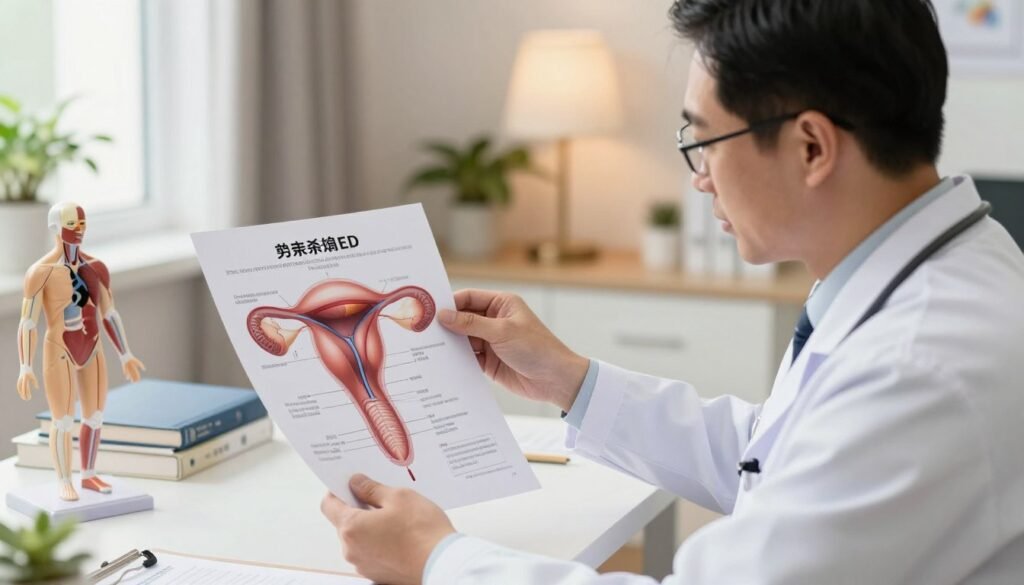
It’s crucial to separate the condition from its treatments. The enlarged prostate itself might not be a direct physical blocker. The medications and surgeries used for it often play a larger role.
Clarifying this distinction is the first step toward effective management. It helps men and their doctors choose the right path forward.
Can an Enlarged Prostate Directly Cause ED?
The direct link between BPH and erectile dysfunction is debated. Most experts agree the gland’s size alone doesn’t physically prevent an erection.
Instead, the two conditions frequently appear together. They share common risk factors like aging, diabetes, and heart disease.
Emerging research points to a deeper connection. The chronic inflammation and vascular issues tied to benign prostatic hyperplasia may harm blood vessel lining.
This is called endothelial dysfunction. It impairs blood flow throughout the body, including to the penis.
“BPH and ED are often two manifestations of the same underlying systemic problem, frequently related to vascular health and metabolic syndrome.”
Therefore, while BPH might not cause erectile issues directly, it serves as a warning sign. It indicates that the blood vessel health needed for strong erections could be compromised.
Addressing overall cardiovascular wellness can benefit both symptoms.
ED as a Side Effect of Common BPH Medications
Often, the treatment for an enlarged prostate introduces sexual dysfunction. Knowing the risks of common medications is empowering.
Two main drug classes are used: 5-alpha reductase inhibitors and alpha-blockers. Their side effects profiles differ greatly.
Drugs like finasteride (Proscar) and dutasteride (Avodart) work by lowering a key hormone. Studies show they are linked to erectile dysfunction in about 3.7% of users.
Diminished libido occurs in roughly 3.3%. These changes can be significant for some men.
Alpha blockers like tamsulosin (Flomax) relax muscle tissue. Their risk for ED is generally lower.
They more commonly affect ejaculation. They can cause retrograde ejaculation, where semen flows backward into the bladder. This is not harmful but can be surprising.
Surgical procedures for BPH, like TURP, also carry a small risk of impacting erectile function.
| Medication Type | Common Examples | Primary Sexual Side Effects | Notes |
|---|---|---|---|
| 5-alpha Reductase Inhibitors | Finasteride, Dutasteride | Erectile dysfunction (~3.7%), Reduced libido (~3.3%) | Effects are related to hormonal changes; may persist after stopping in rare cases. |
| Alpha-Blockers | Tamsulosin, Alfuzosin, Doxazosin | Low ED risk; Retrograde ejaculation is common. | Often preferred first-line for men concerned about sexual side effects. |
Here’s an interesting paradox. Some drugs used to treat erectile dysfunction, called PDE5 inhibitors, can actually ease urinary tract symptoms.
This highlights how interconnected these systems truly are. A treatment for one issue might help the other.
Openly discussing these side effects with a doctor leads to better choices. It ensures treatment for benign prostatic hyperplasia supports overall quality of life.
Prostatitis: When Inflammation Affects Performance
Pelvic discomfort and sexual difficulties often trace back to an inflamed prostate, a condition known as prostatitis. This inflammation or infection of the small gland creates a unique set of challenges. It directly interferes with both urinary comfort and intimate moments.
Prostatitis comes in two primary forms. Acute prostatitis is sudden and often bacterial. Chronic prostatitis lasts for months and may not involve an infection.
Recognizing the symptoms is the first step toward relief. Beyond sexual issues, men may experience a burning sensation during urination. Frequent trips to the bathroom are common.
Pelvic pain or pressure can be constant. Some individuals report flu-like symptoms, including fever and chills. Discharge from the penis might also occur.
Severe inflammation swells the prostate tissue. This enlargement can impinge on nearby nerves and blood vessels. These structures are crucial for achieving firm erections.
“Prostatitis doesn’t just cause physical discomfort; it can create a powerful psychological link between sex and pain, which often becomes a bigger barrier to intimacy than the inflammation itself.”
Even milder forms of this condition impact sexual wellness. Painful ejaculation is a frequent complaint. This discomfort interferes with pleasure and satisfaction.
Over time, the body and mind start to associate sex with hurt. This leads to performance anxiety and avoidance. The result is often sexual dysfunction, including erectile dysfunction.
A vicious cycle develops. Chronic pelvic pain increases stress and anxiety. This emotional burden further hampers sexual performance.
Breaking this cycle requires treating the root inflammation. Addressing the underlying issue is essential for restoring function.
It’s completely normal to feel frustrated or concerned. These feelings are valid. Effective treatments are available and can bring significant improvement.
Antibiotics target bacterial infections. Anti-inflammatory medications reduce swelling and discomfort. Other therapies include muscle relaxants and warm sitz baths.
Understanding the differences between the types of prostatitis helps guide expectations. The following table outlines key distinctions.
| Type | Onset & Duration | Primary Cause | Common Symptoms |
|---|---|---|---|
| Acute Prostatitis | Sudden; short-term | Bacterial infection | Fever, chills, severe pelvic pain, painful urination, possible discharge. |
| Chronic Prostatitis | Gradual; lasts 3+ months | Often non-bacterial; may be inflammatory | Persistent pelvic pain, discomfort during ejaculation, recurring urinary symptoms. |
This condition completes the trio of major glandular issues. Alongside cancer and BPH, prostatitis is a key player in men’s sexual health.
Painful ejaculation and the resulting anxiety are treatable. With proper medical care, you can manage symptoms and reclaim a satisfying intimate life.
Low Testosterone: The Hormonal Connection to Prostate and ED
Think of testosterone as the master conductor of your body’s sexual symphony. This primary male hormone fuels your libido and supports the physical processes behind firm erections.
It sets the stage for desire and helps maintain the health of nerves and blood vessels. When levels are optimal, sexual function tends to be robust.
Levels naturally change over time. They peak in early adulthood. After age 40, a gradual decline of about 1% per year is common.
Sometimes, levels drop sharply. This condition can result from injury, severe illness, or specific medical treatments.
It’s important to distinguish between two related issues. Low libido means a reduced interest in sex. Erectile dysfunction refers to physical performance challenges.
Low testosterone often contributes to both. A drop in this hormone can dim the spark of desire. It may also weaken the body’s ability to respond.
“Managing testosterone in the context of prostate health is a delicate balance. The same hormone that supports virility can also fuel cancer cell growth, making treatment decisions highly individual.”
This creates a complex relationship with gland health. Testosterone is essential for normal sexual function. Yet, it can also stimulate the growth of certain prostate cancers.
This paradox directly impacts men undergoing prostate cancer treatment. A standard hormone therapy aims to drastically lower testosterone.
This treatment is effective against cancer. A major side effect, however, is often a profound drop in libido and erectile capacity.
How do you know if low testosterone might be a factor? Look for a cluster of symptoms beyond sexual changes.
- Persistent fatigue and low energy levels
- Noticeable loss of muscle mass
- Increased body fat, particularly around the abdomen
- Mood changes, like irritability or sadness
- Difficulty with concentration or memory
- Reduced sexual desire alongside erectile dysfunction
Diagnosing this issue is straightforward. A simple blood test, usually taken in the morning, measures your level.
If a deficiency is confirmed and is not related to active cancer, testosterone replacement therapy (TRT) is an option. TRT can improve energy, mood, and sexual wellness for many men.
Crucially, TRT is generally not safe for individuals with active prostate cancer. It could potentially stimulate cancer growth.
This makes managing low testosterone a nuanced decision. Your doctor will help weigh the benefits for quality of life against any potential risks.
Understanding this hormonal link provides a clearer picture. It connects intimate health with overall physiological balance.
Getting a Diagnosis: Talking to Your Doctor About ED
Taking the step to discuss intimate health concerns with a physician marks a pivotal move toward wellness. Many individuals feel hesitant or embarrassed. Please remember, your doctor discusses erectile dysfunction regularly.
It is a common condition they address with compassion. Viewing it as a standard health issue, like high blood pressure, helps reduce anxiety. This conversation is the essential first step for an accurate diagnosis.
A thorough evaluation aims to uncover the root cause. It combines a detailed conversation with a hands-on assessment. This process empowers you with clarity and a path forward.
Key Questions Your Doctor Will Ask
Your visit will begin with an in-depth discussion. Your physician needs a complete picture to guide the diagnosis. Be prepared for personal but clinically necessary questions.
They will explore the nature of your symptoms. Expect inquiries about when challenges started and how often they occur. The presence of morning erections is a key detail.
This helps distinguish between physical and psychological origins. Sudden onset often links to emotional stress or life events. A gradual change typically suggests a physical health factor.
Your full medical history is crucial. The doctor will note any chronic illnesses like diabetes or heart disease. A list of all medications and supplements is vital.
Lifestyle factors such as alcohol use, smoking, and exercise habits matter. Relationship dynamics and overall mental well-being are also relevant topics. This holistic view helps identify contributing risk factors.
“The history tells the story. By listening carefully to a patient’s experience, we can often determine the most likely direction for the physical exam and testing.”
Answering honestly leads to the most accurate diagnosis. There is no judgment, only a search for helpful information.

What to Expect During the Physical Exam
The hands-on portion of your visit is systematic and professional. The physical exam checks for signs of underlying health issues. It is a standard procedure for men experiencing performance changes.
Your physician will likely start with vital signs. Checking blood pressure and listening to your heart assesses cardiovascular health. They may also feel the pulses in your groin and feet.
This evaluates blood flow to the pelvic region. A visual and gentle manual check of the penis looks for curvature or scarring. This can indicate Peyronie’s disease.
The testicles are examined for size and consistency. Changes can signal hormonal issues. The physician might also check for unusual breast tissue development.
An important part of the assessment is the digital rectal exam (DRE). This quick check allows the doctor to feel the prostate gland. It helps rule out cancer or prostatitis.
The DRE is clinical and lasts only seconds. While briefly uncomfortable, it provides critical information. It is a cornerstone of a complete male health evaluation.
Following the exam, your physician may order blood tests. These often screen for diabetes, cholesterol, and testosterone levels. They reveal systemic factors affecting sexual function.
More specialized tests are sometimes used. A Doppler ultrasound can visualize blood flow into the penis. This test is performed if a vascular issue is suspected.
The table below outlines common diagnostic tests and their purposes.
| Test Type | What It Measures | Why It’s Important |
|---|---|---|
| Comprehensive Blood Panel | Blood sugar, cholesterol, lipid levels | Reveals diabetes or vascular disease that impairs circulation. |
| Hormone Level Test | Testosterone, prolactin, thyroid hormones | Identifies hormonal imbalances contributing to low libido or erectile dysfunction. |
| Doppler Ultrasound | Blood flow velocity in penile arteries | Directly assesses vascular health and pinpoints blood flow restrictions. |
This entire diagnosis process is collaborative. Your openness combined with your physician’s expertise creates a clear plan. Understanding what to expect removes uncertainty and builds confidence.
Treatment Options for ED Related to Prostate Issues
Modern medicine offers a toolbox of effective solutions for men facing sexual challenges linked to glandular health. The journey toward restoring function is highly personal. Multiple paths exist, from convenient pills to advanced medical devices.
Exploring these choices with a healthcare provider is the best first step. Each option has unique benefits and considerations. Understanding them empowers you to find the right fit for your lifestyle and health.
Oral Medications (PDE5 Inhibitors): Viagra, Cialis, Levitra
Pills known as PDE5 inhibitors are often the first line of treatment. They include sildenafil (Viagra), vardenafil (Levitra), tadalafil (Cialis), and avanafil (Stendra). These medications work by blocking the PDE5 enzyme.
This action preserves a key chemical called cyclic GMP. It allows blood vessels in the penile tissue to relax and fill with blood. Sexual stimulation is still required for an erection to occur.
These are not aphrodisiacs. They simply enhance the body’s natural response. The main differences between them involve timing and duration.
Some work quickly but last a few hours. Others offer a much longer window of opportunity. Tadalafil (Cialis) has a unique daily dosing option approved for benign prostatic hyperplasia symptoms.
Common side effects are usually mild. They may include headache, facial flushing, indigestion, or nasal congestion. A crucial safety note: these drugs must not be taken with nitrate medications for heart conditions.
| Medication (Generic/Brand) | Onset of Action | Duration of Effect | Key Notes |
|---|---|---|---|
| Sildenafil (Viagra) | 30-60 minutes | 4-6 hours | Take on an empty stomach for best absorption. |
| Vardenafil (Levitra) | 15-30 minutes | 4-5 hours | Similar to sildenafil but may be less affected by food. |
| Tadalafil (Cialis) | 30-45 minutes | Up to 36 hours | Offers “on-demand” or low-dose daily use for BPH. |
| Avanafil (Stendra) | 15-30 minutes | About 6 hours | Known for rapid onset and fewer visual side effects. |
Choosing among these oral treatments depends on your schedule and needs. Discussing these options with your doctor ensures a safe and effective choice.
Other Medical Solutions: Injections, Implants, and Vacuum Devices
When oral medications are not suitable or effective, other excellent options exist. These solutions work through different mechanisms to achieve a firm erection.
They are highly reliable for many individuals. The choice often depends on the underlying cause, personal comfort, and desired spontaneity.
Self-Injection Therapy involves using a very fine needle to inject medication directly into the side of the penis. The drug, usually alprostadil (Caverject, Edex), relaxes penile arteries rapidly.
This method is very effective, often working within 5-10 minutes. The idea of an injection can be intimidating, but most men find it manageable after proper training.
Intraurethral Pellets (MUSE) offer a needle-free alternative. A tiny alprostadil pellet is inserted into the urethra using a special applicator.
It dissolves and is absorbed by the surrounding tissue. This option is less invasive but may be slightly less predictable than injections.
Vacuum Erection Devices (VEDs) are mechanical pumps. A plastic cylinder is placed over the penis, and air is pumped out to create a vacuum.
This draws blood into the penile tissue, creating an erection. A tension ring is then placed at the base to maintain it. These devices are non-invasive and drug-free.
Penile Implants represent a permanent surgical solution. Inflatable or malleable rods are placed inside the penis during an operation.
This allows for completely spontaneous erections at the touch of a pump. This surgery involves recovery but offers a high satisfaction rate for suitable candidates.
| Treatment Option | Method of Action | Key Advantages | Considerations |
|---|---|---|---|
| Self-Injection Therapy | Medication injected into penile tissue | Highly effective, fast onset | Requires comfort with injections; risk of priapism (rare) |
| Intraurethral Pellets (MUSE) | Pellet inserted into urethra | Needle-free, relatively simple | Can cause urethral burning; efficacy may vary |
| Vacuum Erection Device | Mechanical vacuum pump | Non-invasive, no medications | Requires manual use; erection may feel cooler |
| Penile Implant Surgery | Surgical placement of inflatable rods | Permanent, allows spontaneity | Involves surgery and recovery; irreversible |
Each of these treatments has helped countless men regain confidence and intimacy. With such a range of effective options available, finding a successful path forward is a realistic goal for most.
Managing ED After Prostate Cancer Treatment
Sexual side effects after cancer treatment are common, but they don’t have to be permanent. Many men face challenges with erectile function following therapy for prostate cancer. This is a known part of the recovery journey.
The good news is that modern managing strategies exist. They focus on the concept of penile rehabilitation. This proactive approach aims to restore sexual wellness.
Why is erectile dysfunction so frequent after treatment? Both surgery and radiation can affect delicate nerves and blood vessels. These structures are essential for firm erections.
Even with advanced nerve-sparing techniques, some trauma occurs. The body needs time to heal. This is where a clear rehabilitation plan becomes vital.
“Penile rehabilitation isn’t just about treating ED; it’s about preserving tissue health from day one to give nerves the best chance to regenerate. Early intervention is key to long-term success.”
Do not adopt a “wait and see” attitude. Work with your urologist soon after treatment. A proactive plan improves long-term outcomes.
Common strategies include regular use of low-dose PDE5 inhibitors. Medications like tadalafil or sildenafil promote blood flow. This oxygenates penile tissues and prevents scarring.
Vacuum erection devices are another excellent tool. They gently stretch tissues and encourage circulation. Using them regularly helps maintain elasticity.
A combination of options is often most effective. Your doctor might suggest pills alongside a pump. The goal is to support the body’s natural healing process.
Understanding the timeline is crucial. Recovery of erectile function after a prostatectomy typically takes 6 to 18 months. Nerves regenerate very slowly.
For radiation therapy, changes may appear gradually over two years. Patience and consistent effort are your allies. Set realistic expectations for this journey.
Open communication makes a huge difference. Talk openly with your healthcare team about your progress. Share your concerns and successes with your partner as well.
Framing sexual recovery as part of overall cancer survivorship is powerful. It is an integral aspect of reclaiming your quality of life. You beat cancer; this is the next step.
The table below outlines common rehabilitation options and their roles in managing post-treatment erectile challenges.
| Rehabilitation Strategy | How It Works | Primary Benefit | Typical Use |
|---|---|---|---|
| Low-Dose PDE5 Inhibitors | Promotes blood flow and oxygen delivery to penile tissue | Preserves tissue health and supports nerve healing | Daily or regular use starting soon after surgery or radiation |
| Vacuum Erection Device (VED) | Creates a vacuum to draw blood into the penis, stretching tissues | Prevents fibrosis and maintains tissue elasticity | Regular use, several times per week, as part of a routine |
| Combination Therapy | Uses both medication and mechanical therapy together | Synergistic effect for improved blood flow and tissue stretch | Tailored plan based on individual response and doctor guidance |
| Early Intervention Protocol | Initiates rehabilitation soon after treatment concludes | Maximizes the potential for nerve regeneration and functional return | Begins within weeks post-treatment, following urologist’s plan |
This roadmap provides hope and direction. With dedication and the right support, many men regain intimacy after prostate cancer. Your journey toward wellness continues.
Lifestyle Changes to Support Prostate Health and Erectile Function
Your daily choices, from the food on your plate to your movement routine, directly influence the health of your pelvic systems. Think of lifestyle modifications as a powerful, foundational pillar. They work hand-in-hand with medical treatments to manage both glandular wellness and sexual performance.
These positive steps support your entire cardiovascular system. What benefits your heart also benefits intimate function. This creates a win-win for overall vitality.
Adopting a healthy routine can lower your risk for many conditions. It also promotes robust blood flow, which is essential for strong erections. Let’s explore practical areas where you can make a lasting impact.
Nourish Your Body with a Smart Diet
What you eat fuels every cell, including those in reproductive tissues. A balanced diet rich in anti-inflammatory foods is key. Focus on reducing saturated fats found in red meat and fried items.
Instead, fill your plate with colorful fruits and vegetables. Berries, leafy greens, and tomatoes are packed with antioxidants. These compounds fight cellular damage and support prostate health.
Incorporate foods high in omega-3 fatty acids. Fatty fish like salmon, walnuts, and flaxseeds are excellent sources. Omega-3s help reduce inflammation throughout the body.
Limit your intake of caffeine and alcohol, especially later in the day. Both can irritate the bladder and disrupt sleep. Better rest contributes to hormonal balance and reduced stress.
Get Moving with Regular Exercise
Physical activity is a cornerstone of healthy living. Consistent exercise improves circulation and strengthens blood vessels. This directly enhances blood flow to all pelvic organs.
Aim for a mix of aerobic and strength-training activities. Brisk walking, cycling, or swimming get your heart pumping. These cardio sessions oxygenate your tissues and support erectile function.
Strength training, like lifting weights, offers a special bonus. It helps boost natural testosterone levels. This hormone is vital for libido and muscle maintenance.
“The arteries that feed the heart are the same ones that feed the penis. Improving your cardiovascular fitness through diet and exercise is one of the most effective natural strategies for supporting sexual wellness.”
Manage Your Weight for Hormonal Balance
Maintaining a healthy weight is crucial for hormonal harmony. Excess body fat can increase estrogen levels and promote inflammation. Both factors may negatively impact the gland and sexual performance.
Carrying extra pounds also raises the risk for metabolic conditions like diabetes. These diseases are known to harm nerves and blood vessels. Shedding even a modest amount of weight can make a significant difference.
Combine your improved diet with regular exercise for the best results. This sustainable approach supports long-term weight management. Your energy levels and confidence will likely improve too.
Address Modifiable Habits
Certain daily habits have a direct effect on pelvic wellness. Smoking is a major culprit for vascular damage. The toxins in cigarettes injure the lining of blood vessels, impairing circulation.
Quitting is one of the best things you can do for prostate health and erectile function. Seek support through counseling or nicotine replacement if needed. Your body begins to repair itself quickly after stopping.
Moderate your alcohol consumption. While an occasional drink is fine, heavy use can depress the nervous system. This may interfere with the signals needed for arousal and performance.
Incorporate Stress Reduction Techniques
Chronic tension takes a toll on your body and mind. High stress elevates cortisol, a hormone that can lower testosterone. It also contributes to performance anxiety, creating a mental barrier.
Effective stress management is a vital part of your toolkit. Practices like meditation, deep breathing, or yoga promote relaxation. They help calm the nervous system and improve overall resilience.
Even a few minutes of mindful breathing each day can make a difference. Find an activity that brings you peace and make it a habit. Your emotional well-being supports your physical health.
These lifestyle changes are not about perfection. They are about making consistent, positive choices that add up over time. Start with one or two adjustments that feel achievable.
Building these habits supports your journey toward better prostate health and improved erectile function. You are taking proactive control of your well-being. Every healthy step is a victory.
Conclusion: Taking Control of Your Prostate and Sexual Health
Your journey toward better pelvic wellness starts with a single, empowered decision. The link between glandular conditions and erectile dysfunction is clear and manageable.
Seeking a professional diagnosis from your doctor pinpoints the exact source. This step is crucial for crafting an effective path forward.
A wide range of modern strategies exists. These options support both prostate health and robust sexual function. You do not have to accept diminished intimacy.
Taking proactive control transforms your overall quality of life. It fosters confidence and strengthens relationships. Men today have more tools and knowledge than ever before.
Move forward with hope. With informed action and medical support, a satisfying and healthy life is within your reach.