How to Speed Up Nerve Regeneration After Prostate Surgery
Effective Strategies to Accelerate Nerve Healing and Restore Function After Prostate Surgery

What if the key to reclaiming your intimate life after a prostatectomy isn’t just about waiting, but about actively guiding your body’s healing? For many men, this surgery is a life-saving step. Yet, the journey toward full recovery often involves navigating the challenge of nerve injury.
The cavernous nerves, crucial for erectile function, can be affected during a radical prostatectomy. This can lead to erectile dysfunction. The biological process of nerve healing is complex and can take a year or longer for significant improvement.
Recent research, like a 2023 study in the Asian Surgical Journal by Nakamura et al., highlights that enhanced recovery protocols after robotic-assisted surgery can improve outcomes. This offers real hope.
Your recovery timeline is influenced by several factors. These include your age and the extent of the original nerve damage. A structured treatment plan is vital. It often combines medical therapies with lifestyle changes aimed at improving blood flow to the penis.
While patience is essential, you are not powerless. This article explores the options available to support your body’s natural healing process. From specific devices to targeted therapies, understanding these tools can make a meaningful difference in your quality of life.
Key Takeaways
- Nerve healing after a prostatectomy is a slow, biological process that often requires a year or more for noticeable improvement.
- Injury to the cavernous nerves during surgery is a common cause of post-operative erectile dysfunction.
- Enhanced recovery protocols, supported by recent research, can significantly improve patient outcomes.
- Factors like a patient’s age and the degree of nerve damage play a critical role in the recovery timeline.
- A proactive treatment plan, which may include devices and therapies to support blood flow, is crucial for healing.
- Managing expectations and staying motivated throughout the months and years of recovery is key to long-term success.
Understanding the Impact of Prostate Surgery on Nerves
To grasp the road to recovery, it’s essential to know how a prostatectomy interacts with your body’s delicate nerve network. This operation can affect the autonomic system. These nerves control involuntary actions like achieving an erection.
How Prostatectomy Affects Nerve Function
During the procedure, nerves near the prostate are often stretched or injured. This damage is a primary reason many patients experience erectile dysfunction afterward. The resulting dysfunction can last for many months.
Research shows the extent of this injury is a key factor in the healing process. For some men, feeling the full effects of repair may take years.
The Role of Autonomic and Cavernous Nerves in Erectile Function
The cavernous nerves are crucial. They run alongside the prostate and signal for blood flow to the penis. This action is vital for a healthy erection.
When these specific nerves are compromised, normal sexual function is disrupted. Understanding this anatomy empowers you in your recovery journey. Supportive treatments like injections or vacuum therapy can help maintain function while natural nerve regeneration occurs.
Importance of Hydration in Nerve Regeneration
Your body’s ability to repair delicate nerves relies heavily on a fundamental element often overlooked during recovery: proper hydration. Drinking enough fluids supports every stage of the healing process.
According to MyHealth.Alberta.ca, drinking plenty of fluids is a standard recommendation for patients after surgery. This simple act helps maintain urinary tract health and flushes out toxins.
Recent research supports this. A 2025 study by Büttner and colleagues found that effective fluid management is linked to better early clinical outcomes following radical prostatectomy.
Benefits of Drinking Water for Urinary and Nerve Health
Water is essential for nerve regeneration. It helps deliver nutrients needed for tissue repair. Good hydration also reduces irritation in the urinary system.
This is crucial after a prostatectomy. Staying well-hydrated supports healthy blood flow, which is vital for overall function.
Smart Hydration Tips During Recovery
Aim for at least eight glasses of water daily. This provides direct support to your nerves and tissues.
Avoid caffeinated drinks. They can irritate the bladder and are not helpful for erectile function. Instead, include water-rich foods like watermelon and cucumber in your diet.
Monitor your urine color. Pale yellow indicates good hydration status. This simple check helps you adjust your intake.
| Hydration Source | Primary Benefit | Recovery Tip |
|---|---|---|
| Water | Flushes toxins, supports cell function | Keep a bottle nearby and sip throughout the day. |
| Herbal Tea (non-caffeinated) | Provides variety and antioxidants | Choose soothing options like chamomile. |
| Watermelon | High water content, contains lycopene | Add to salads or enjoy as a refreshing snack. |
| Clear Broth | Adds electrolytes and comfort | Warm broth can be soothing and hydrating. |
Following these smart strategies makes hydration an easy, active part of your recovery plan. It’s a simple step with powerful effects on your healing journey.
Dietary and Lifestyle Strategies for Faster Recovery
Your diet plays a more critical role in recovery than many patients realize, directly influencing nerve repair. The foods and beverages you choose provide the raw materials for healing.
Smart nutritional choices support your body’s natural regeneration processes. This can positively affect your overall function in the months following your procedure.
Nutrient-Rich Foods and Beneficial Beverages
Focus on meals packed with antioxidants and lean proteins. These components are vital for repairing tissue injury from surgery.
Colorful vegetables and fruits supply essential vitamins. A UCLA study highlights pomegranate juice for men with prostate cancer. It may help stabilize PSA levels.
Caffeine-free green tea is another excellent option. Its anti-inflammatory effects support the prostate during this time.
Foods and Drinks to Avoid Post-Surgery
Certain items can hinder your progress. Alcohol should be strictly avoided for at least four weeks after your prostatectomy.
This prevents bladder irritation and supports better blood flow. Also, steer clear of smoking, as it significantly impairs circulation.
Opt for non-acidic, non-carbonated drinks to minimize discomfort. This simple step aids your body’s natural recovery.
| Category | Example | Effect on Recovery | Guidance |
|---|---|---|---|
| Beneficial Beverage | Pomegranate Juice | May support PSA stability | Include a small glass daily. |
| Essential Nutrient | Lean Protein (Chicken, Fish) | Provides building blocks for tissue repair | Consume with every meal. |
| Item to Avoid | Alcoholic Drinks | Can irritate bladder, delay healing | Avoid for minimum 30 days. |
| Harmful Habit | Smoking | Restricts blood flow, worsens erectile dysfunction | Seek help to quit entirely. |
Making these intentional choices is a proactive part of your recovery plan. It supports nerve regeneration and improves your quality of life.
how to speed up nerve regeneration after prostate surgery
Scientific advances are providing new hope and concrete strategies for men on this journey. A recent editorial in Frontiers in Neurology (2025) details exciting progress in our understanding of this field.
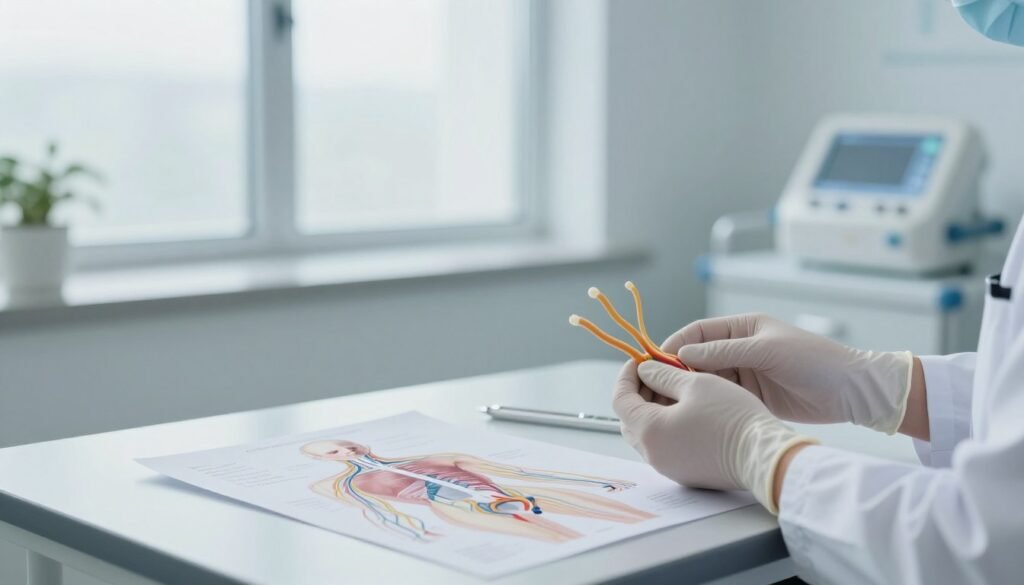
Actionable Steps for Promoting Nerve Healing
Your most important first step is following your surgeon’s specific post-operative instructions. This medical guidance is foundational for any patient healing from a prostatectomy or radical prostatectomy.
Regular exercise improves circulation. It delivers oxygen-rich blood vital for nerve repair. Also, consider pelvic floor physical therapy.
This specialized treatment strengthens muscles controlling urinary and sexual function after a surgical injury.
Using a vacuum erection device can be very helpful. It maintains penis health by ensuring tissues get regular blood flow. This supports natural erection pathways while nerves heal.
Remember, this process is inherently slow, often taking many months. Men must stay patient and consistent. Integrating these steps creates an environment that supports the body’s natural regeneration.
This proactive approach is key to overcoming post-surgical erectile dysfunction and enhancing your overall recovery.
Therapeutic Options and Medical Treatments
When oral medications aren’t enough, modern medicine offers additional pathways to support erectile health. These clinical approaches provide practical solutions during the healing period.
Medications and Injections to Enhance Blood Flow
Tri-Mix injections are a common medical treatment. They help patients achieve an erection when pills prove ineffective.
This approach directly stimulates blood flow to the penis. It bypasses damaged nerves temporarily. Many men find this method reliable for maintaining intimacy.
Devices and Vacuum Therapy for Erectile Function
A vacuum erection device is another proven therapy. It creates suction to draw blood into the penis. This action helps prevent tissue scarring and atrophy.
Regular use supports penile health during the months of recovery. It’s a non-invasive option with minimal side effects.
Both treatments serve as a bridge while natural nerve regeneration occurs. The healing process from surgical injury is slow.
Discuss these options with your medical team. They can determine the best approach for your specific stage after a radical prostatectomy.
Consistent medical support is key to addressing erectile dysfunction. These tools help maintain erectile function and quality of life.
Exercise and Physical Therapy to Enhance Recovery
Structured physical activity is more than just exercise; it’s a targeted therapy for restoring intimate health. A well-designed program supports your body’s healing mechanisms directly.
Benefits of Pelvic Floor and Targeted Exercises
Pelvic floor physical therapy is a cornerstone treatment. It strengthens the muscles that control urinary and sexual function. This is vital after surgical injury.
Patients must avoid straining their abdomen for six weeks following radical prostatectomy. This prevents complications and allows proper internal healing.

Regular, gentle activity like walking improves circulation. This enhanced blood flow supports the natural nerve regeneration process over many months.
Experts advise men to resume intimacy when they feel ready. This promotes essential blood flow to the penis. Using a vacuum erection device can also aid penile health during this period.
| Activity Type | Primary Benefit | Key Consideration |
|---|---|---|
| Pelvic Floor Exercises (Kegels) | Strengthens muscles for urinary control and erectile function | Start under guidance of a physical therapist. |
| Walking & Light Cardio | Boosts overall circulation for tissue repair | Begin slowly, increase distance gradually. |
| Avoiding Heavy Lifting | Protects the surgical site from strain | Critical for the first 6 weeks post-prostatectomy. |
| Resuming Intimacy | Promotes blood flow, supports erection health | Proceed when comfortable; can help manage erectile dysfunction. |
Consistency with these practices is key. An active role in your recovery helps nerves heal more effectively after a radical prostatectomy.
Managing Post-Surgery Expectations and Timelines
The timeline for regaining intimate function after a prostate procedure is often measured in months, not weeks. Setting realistic goals is crucial for mental well-being during this period.
Managing expectations is vital. Most men will not see a return of full erectile function until 3 to 6 months after their surgery.
Understanding the Recovery Process and Time Frames
Erections typically begin as partial events during the 3 to 6 month window. Improvements can continue for up to 36 months.
This long-term journey is influenced by key factors. Your age and the extent of the original cancer play a significant role.
Normal physiology involves daily infusions of oxygenated blood to the penis. This is why early rehabilitation options are so important for health.
| Time After Surgery | Typical Milestone | Influencing Factor |
|---|---|---|
| 3-6 Months | Partial erection return begins | Extent of nerve-sparing technique |
| 6-12 Months | Gradual improvement in function | Patient age and overall health |
| 12-36 Months | Continued refinement possible | Consistency with treatment plan |
Tips for Staying Patient and Motivated
Staying motivated is easier when you understand the body needs time to repair the injury. The slow pace of nerve regeneration is a natural part of the healing process.
Focus on long-term goals to navigate erectile dysfunction. Regular check-ins with your medical team provide essential support.
This consistent guidance helps keep you on track during the years of healing. Remember, your active role supports a better recovery from a prostatectomy.
Patient Testimonials and Expert Recommendations
Hearing from others who have walked this path can provide immense comfort and practical insights during your healing journey. The collective wisdom from both fellow patients and medical professionals forms a powerful guide.
This shared knowledge highlights effective strategies for restoring intimate health after a prostate procedure.
Real-Life Experiences with Nerve Regeneration
Many men report the initial months are challenging. They often feel frustrated by the slow pace of change.
Persistence with prescribed therapy is a common theme in success stories. Gradual improvements in function make the effort rewarding.
Sharing experiences in support groups helps patients stay motivated. It reminds them they are not alone in this long recovery.
Guidance from Medical Experts and Research Studies
Clinical experts emphasize a critical daily habit. Regular sexual stimulation or using erection-enhancing medications maintains penile tissue health.
Research confirms the return of erectile function is a gradual process. It varies significantly between individuals.
For those not seeing spontaneous regeneration, a penis prosthesis is a valid medical aid. Following professional advice helps manage erectile dysfunction symptoms effectively.
| Source | Key Insight | Practical Takeaway |
|---|---|---|
| Patient Testimonials | The journey is difficult at first, but consistency leads to better outcomes over many months. | Connect with support networks to share challenges and victories. |
| Clinical Research | The return of an erection is a complex, individual timeline after surgery. | Focus on your personal progress, not comparisons to others. |
| Expert Consensus | Daily activity or medication is crucial to prevent tissue atrophy and support nerve healing. | Adhere to your doctor’s rehabilitation plan to promote speed nerve regeneration. |
This proactive approach, informed by both lived experience and science, empowers men to improve their quality of life after prostate surgery.
Conclusion
The path to restoring intimate health following a prostate procedure is built on a foundation of consistent, daily choices. This recovery represents a significant life event that demands considerable patience and dedicated commitment.
By prioritizing hydration, balanced nutrition, and guided physical therapy, men can actively support their body’s natural repair mechanisms. These actions create an optimal internal environment for biological healing.
While erectile dysfunction is a prevalent challenge, contemporary treatments and medical devices provide tangible hope for restoring sexual function. Maintaining open communication with your healthcare team ensures your plan is specifically tailored.
Remember, improvements in nerve health and erection quality unfold gradually over many months. Sustaining motivation is essential for long-term achievement.
With a positive mindset and appropriate strategies, you can successfully navigate this journey and enhance your overall well-being after prostate surgery.